Tel: +86 139 0589 5606
E-mail:info@globri.com

Tel: +86 139 0589 5606
E-mail:info@globri.com
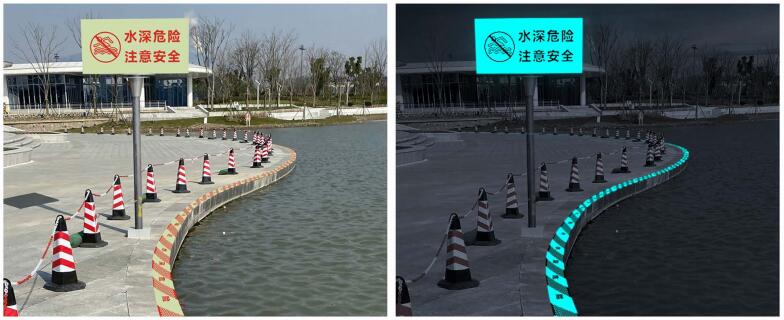
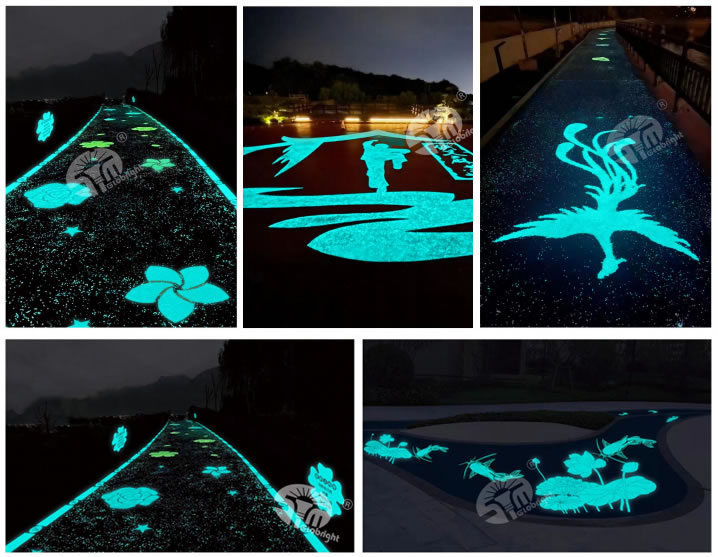
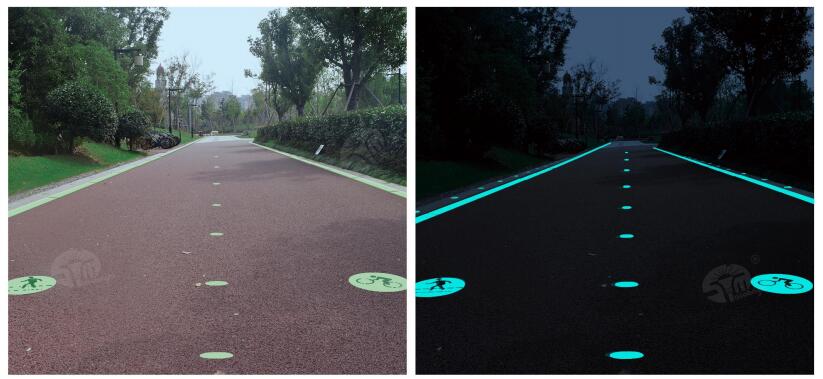
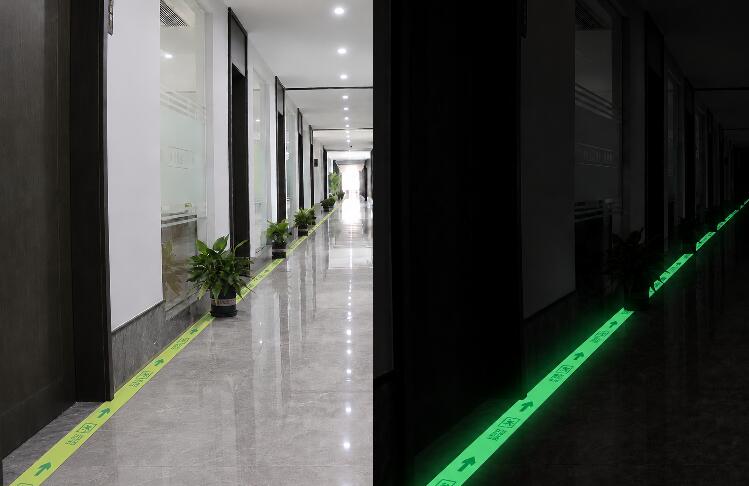
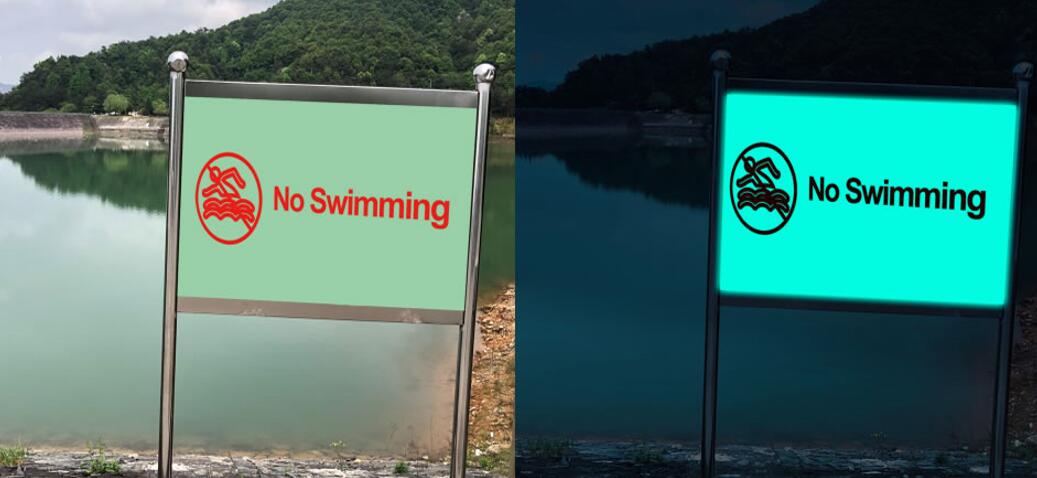
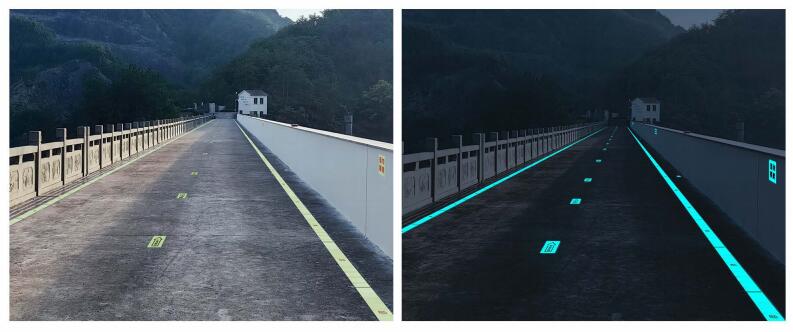
The visual performance and service life of luminous pavement hinge primarily on the selection of self-luminous materials. Proper material selection guarantees consistent long-term functionality of luminous pavement and prevents issues such as failed project acceptance and low client satisfaction. With over 30 years of dedicated R&D in optical materials, Zhejiang Globright Optics analyzes why inorganic self-luminous granules stand as the top pick for luminous pavement based on practical outdoor construction requirements.
Commercially available self-luminous materials frequently trigger defects when applied to luminous pavement, compromising construction quality, acceptance outcomes and resulting in unfavorable feedback from project owners. Three prominent flaws are commonly observed:
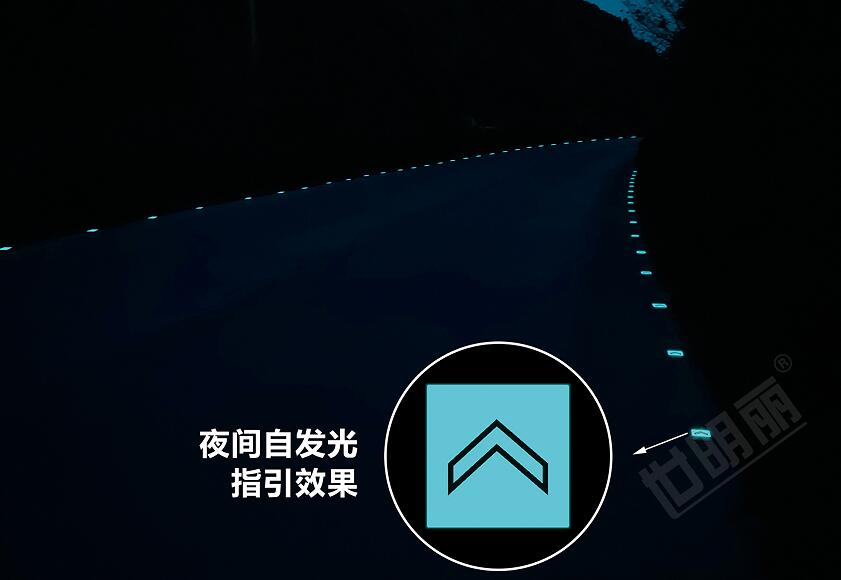
Poor luminous performance: Short afterglow duration fails to deliver sustained nighttime directional illumination;
Short service lifespan: Inadequate weather resistance leads to premature deterioration under prolonged outdoor exposure and frequent renovation costs;
Weak adhesive capacity: Poor bonding with pavement substrates causes peeling and spalling, ruining pavement integrity and luminous efficacy.
Such recurring problems stem mainly from misconceptions and improper purchasing decisions among construction contractors, grouped into three key factors:
Insufficient material expertise: Lack of in-depth understanding of material properties and application thresholds for outdoor luminous pavement;
Misleading sales pitches: Certain suppliers overstate the performance of organic-resin-based luminous products while concealing their inherent drawbacks, leading to erroneous procurement;
Excessive cost-cutting: Blind pursuit of low-cost raw materials at the expense of product quality and long-term operational demands, leading to greater economic losses down the line.
Exposed year-round to harsh natural conditions including UV radiation, rain, wind, as well as continuous pedestrian and vehicle abrasion, outdoor luminous pavement mandates self-luminous materials featuring superior UV resistance, anti-aging capability, anti-yellowing property, abrasion resistance, corrosion resistance and waterproof performance to sustain stable long-term service amid complex outdoor surroundings.
Organic-resin-based products such as acrylic luminous pellets and epoxy luminous tiles dominate the current market. Using resin as the substrate, these materials carry innate limitations incompatible with outdoor luminous pavement specifications:
Susceptible to UV-induced aging and yellowing, vulnerable to cracking under long-term rolling load, and lacking compatible high-performance adhesives. Their inferior substrate adhesion causes easy detachment, curtails luminous lifespan and endangers overall construction quality.
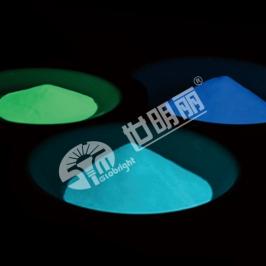
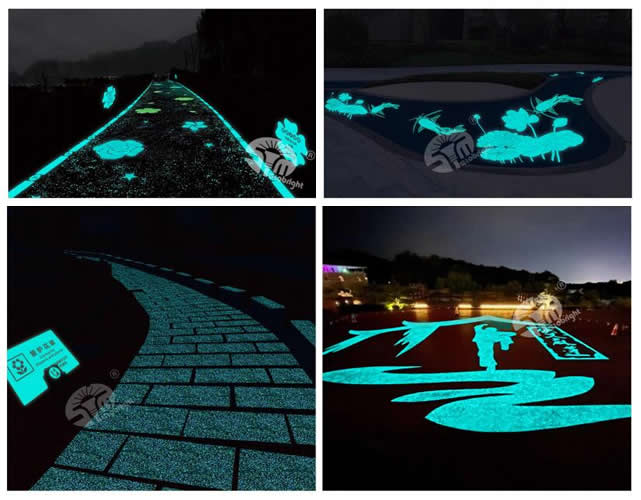
To address prevalent industry pain points, Zhejiang Globright Optics Technology Co., Ltd. has developed high-brightness inorganic self-luminous materials drawing on more than three decades of optical material research experience. Sintered at ultra-high temperatures above 1,000°C with silica as the carrier, the end products cover dense luminous stone and matching inorganic self-luminous granules tailored perfectly for outdoor luminous pavement construction.
For bonding installation, these inorganic granules require no specialty adhesives; ordinary stone bonding glues deliver sufficient bonding strength for secure substrate attachment and anti-peeling performance.
Additional core strengths include outstanding anti-aging and anti-yellowing properties against persistent ultraviolet exposure, robust corrosion and water immersion resistance fit for humid outdoor environments, high hardness and abrasion resistance to withstand long-term traffic loads, stable optical parameters with high brightness and extended afterglow, plus an extended service life that eliminates all typical downsides of organic resin luminous alternatives.