Tel: +86 139 0589 5606
E-mail:info@globri.com

Tel: +86 139 0589 5606
E-mail:info@globri.com
When purchasing self-luminous emergency signs, many engineering procurement teams, fire maintenance staff and project proprietors habitually only focus on two indicators: initial brightness and luminous duration. However, senior purchasers with years of industry experience know a truth: judging solely by brightness and afterglow duration is the most common purchasing pitfall. Truly compliant, durable, fire-code-approved self-luminous signs suitable for long-term engineering projects require a complete parameter system for screening. From the perspective of practical procurement, this article breaks down the core parameters that really need to be verified for self-luminous signs, helping readers select engineering-grade products that fit application scenarios and deliver compliant, stable performance.
Many merchants promote "12-hour luminescence" and "10-hour long-lasting night glow", which hides a common industry tactic: the nominal figure refers to the total liminal duration, not the effective guidance duration.
The so-called liminal duration means the brightness attenuates to a faint glow barely perceptible to the human eye, which delivers no emergency guidance value at all. For formal fire acceptance and project delivery, there is only one recognized standard: effective visible duration — the length of time during which graphics and texts remain clear, identifiable and capable of guiding evacuation in dark environments.
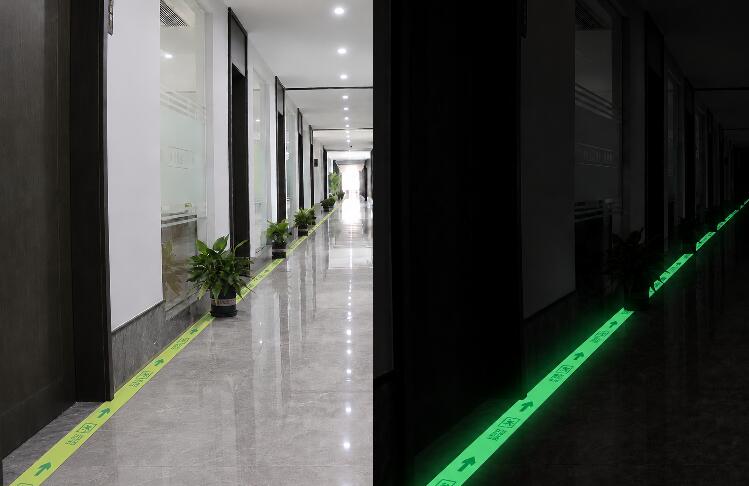
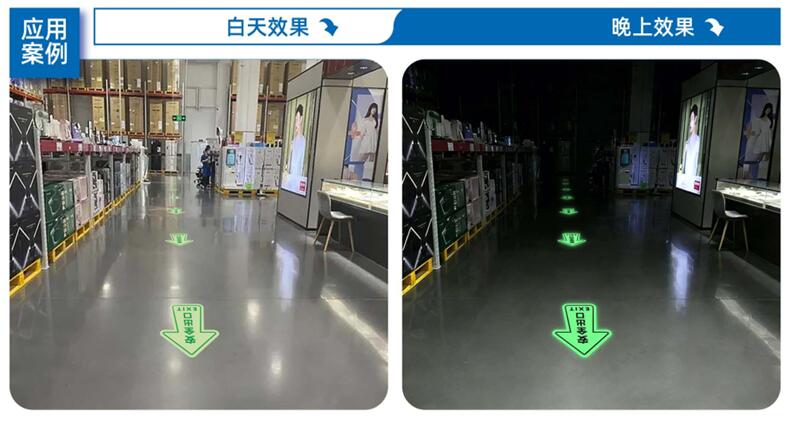
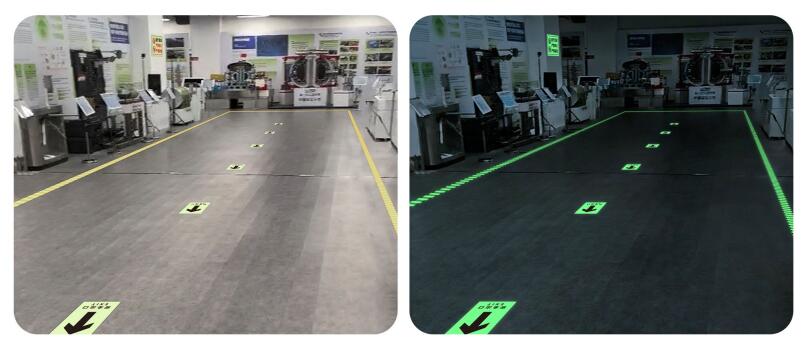
Mandatory bottom line of fire protection specifications: the effective luminous duration of emergency self-luminous signs shall not be less than 90 minutes, which is the passing threshold for acceptance. For high-quality engineering-grade inorganic self-luminous products, the effective visible duration can reach more than 10 hours, fully adapting to complex scenarios such as all-night emergency response, nighttime patrols and power-outage rescue operations.
Novice purchasers only look at initial brightness and assume the brighter the better. In fact, low-end luminous films and ordinary coated products generally feature extremely high initial brightness but cliff-like attenuation. They glow very brightly right after the lights go out, but brightness drops sharply after half an hour, and become basically blurred and illegible after 1–2 hours — a typical case of "flash-in-the-pan luminescence". The key procurement indicator is the brightness after 90 minutes / 2 hours, which is the core criterion for judging the long-term stability of products.
Emergency signs in all public buildings such as shopping malls, hospitals, schools and office buildings must meet the Class B1 flame-retardant standard.
Ordinary PET luminous films and acrylic luminous panels are mostly combustible materials. They produce molten drips, support combustion and generate toxic smoke when exposed to fire, which completely fails to comply with fire emergency specifications and are explicitly prohibited for use in emergency evacuation systems. No matter how high the brightness or how long the duration, products with substandard flame retardancy are directly deemed unqualified.
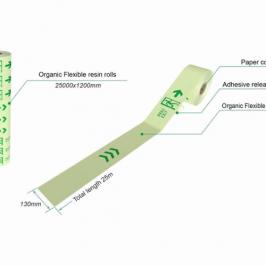
Organic resin self-luminous roll composite material: Recommended for indoor use, with stable luminous performance for 5–8 years. Outdoor use is not recommended, as organic materials will age, yellow and suffer brightness attenuation failure under outdoor exposure.
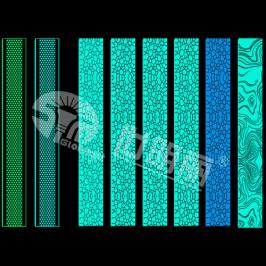
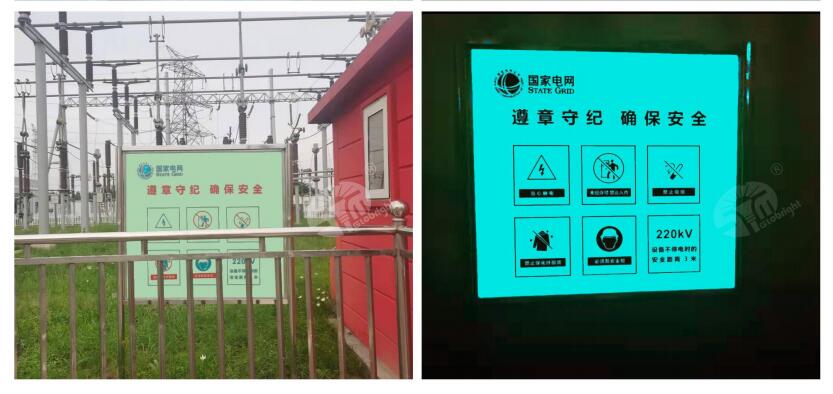
Inorganic self-luminous panel material: Made of inorganic mineral raw materials fused at temperatures of over 1000°C, with stable light-storing and luminous performance. It shows no obvious brightness attenuation, yellowing or aging after 15 years of outdoor service, and is the only material suitable for long-term outdoor engineering projects. When used indoors, its service life matches that of the building.
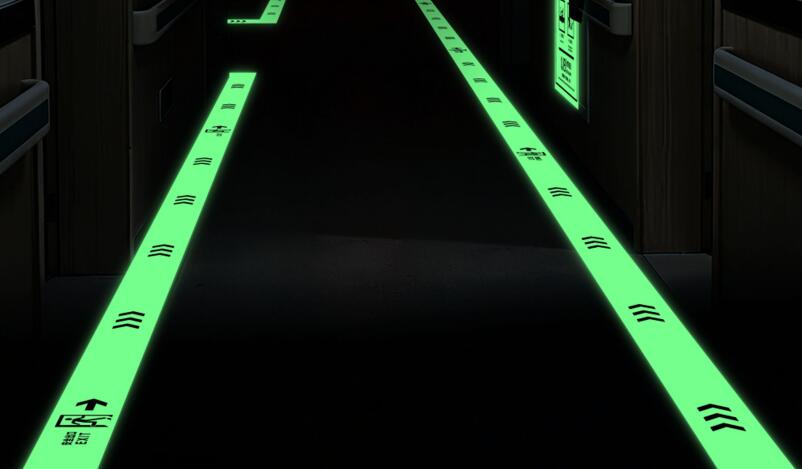
Floor evacuation markings and corridor guidance signs are subject to high-frequency foot traffic and daily friction wear. Inferior organic coated products have no surface protective layer and fail once abraded. Products made of engineering-grade organic self-luminous rolls come with a dense protective layer, featuring wear resistance, pressure resistance and no delamination. Daily cleaning and pedestrian traffic do not impair luminous performance. Products made of inorganic self-luminous panels are suitable for both indoor and outdoor use, with characteristics of high hardness, wear resistance, corrosion resistance, water immersion resistance and extreme temperature tolerance.
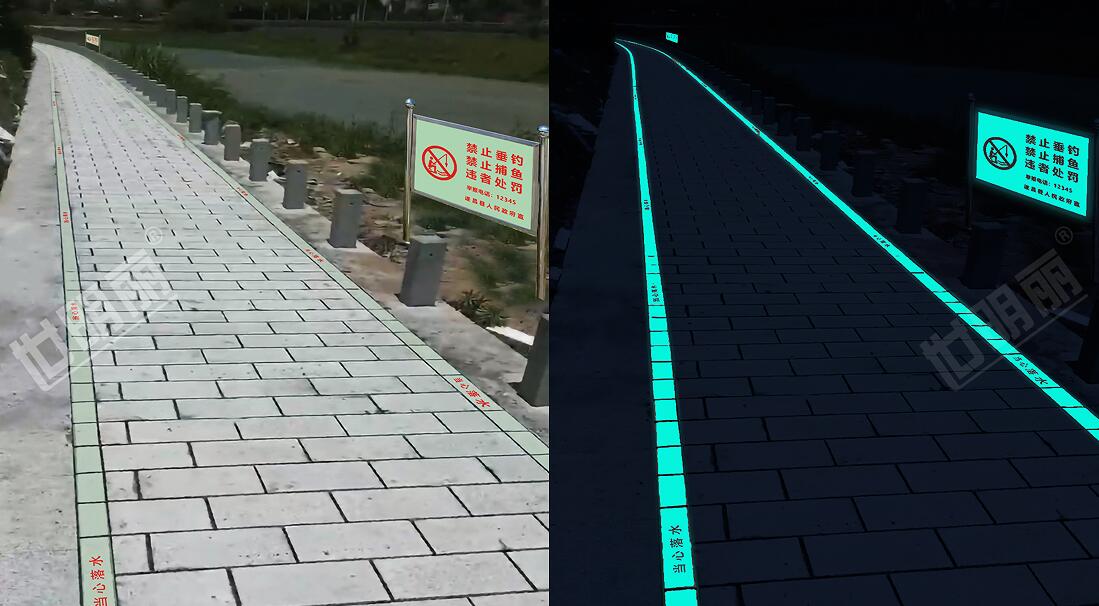
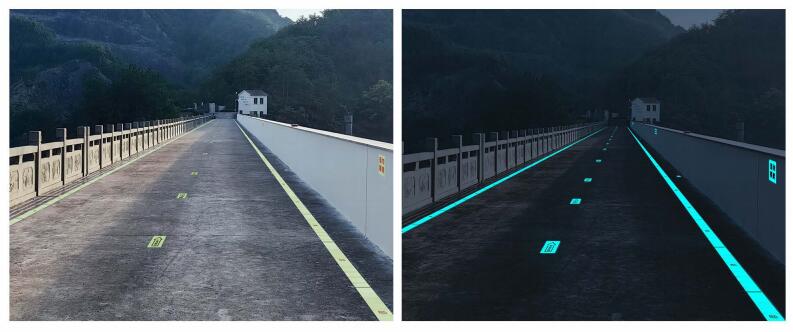
Outdoor scenarios require resistance to UV exposure, rain immersion, alternating high and low temperatures, and coastal salt spray corrosion. Ordinary organic self-luminous products are extremely prone to aging, yellowing, peeling and delamination. Inorganic self-luminous materials withstand long-term water immersion, corrosion and UV radiation, with stable all-weather luminous performance. They can remain in service for more than 15 years without obvious attenuation.
When purchasing self-luminous emergency signs, brightness and afterglow duration are only basic thresholds, by no means the full evaluation criteria. What truly determines project acceptance rate, long-term application effect and full-cycle operation & maintenance cost is a complete set of parameters including flame retardant grade, light-storing performance, material & manufacturing process, attenuation stability, and wear & weather resistance.