Tel: +86 139 0589 5606
E-mail:info@globri.com

Tel: +86 139 0589 5606
E-mail:info@globri.com
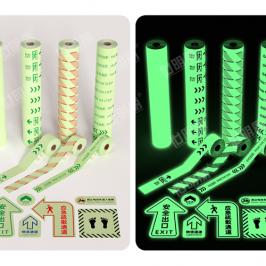
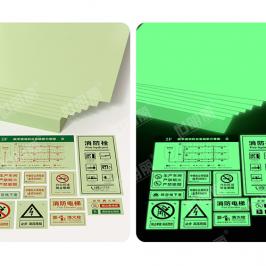
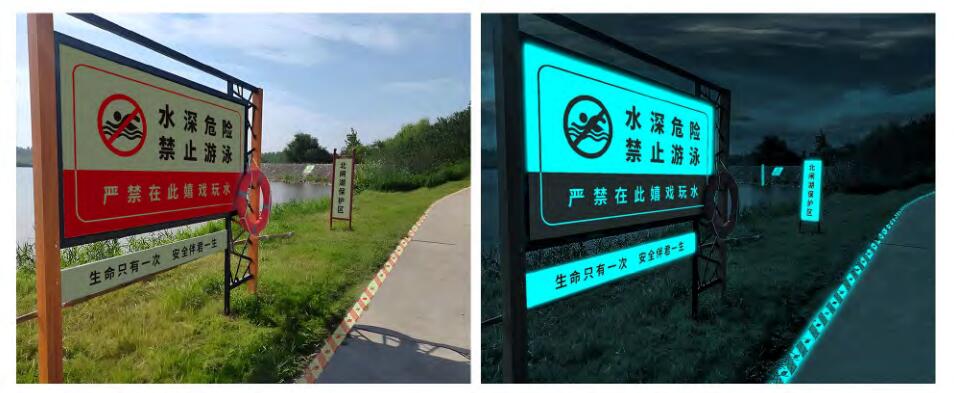
Luminous safety signs are widely used in civil air defense, fire protection and other venues. They can emit light independently in dark environments, providing guidance for emergency evacuation and warnings against potential hazards. Common examples include emergency exit signs, caution steps signs, emergency evacuation floor plans, and high-voltage danger no climbing signs.
In terms of categories, luminous safety signs fall into two main groups: powered emergency indicator lights and wireless self-luminous products. As a manufacturer of Globright self-luminous materials, we will conduct a comprehensive analysis on the features, advantages and disadvantages of various luminous safety signs.
Wireless luminous safety signs are mainly divided into inorganic luminous signs and organic luminous signs. The organic category further includes regular luminous films and Globright organic self-luminous materials, catering to diverse application scenarios.
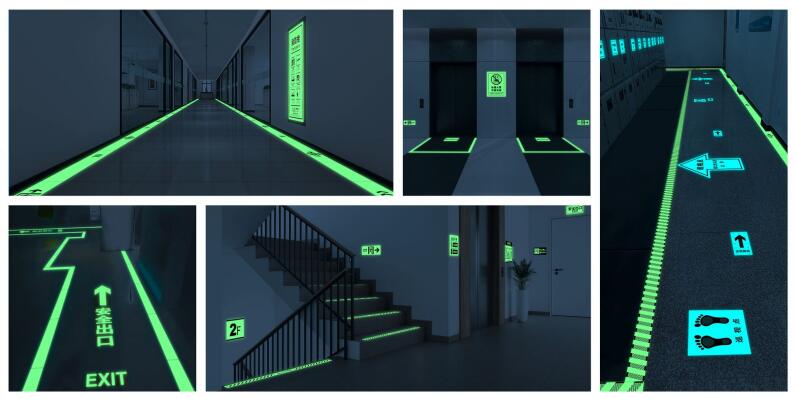
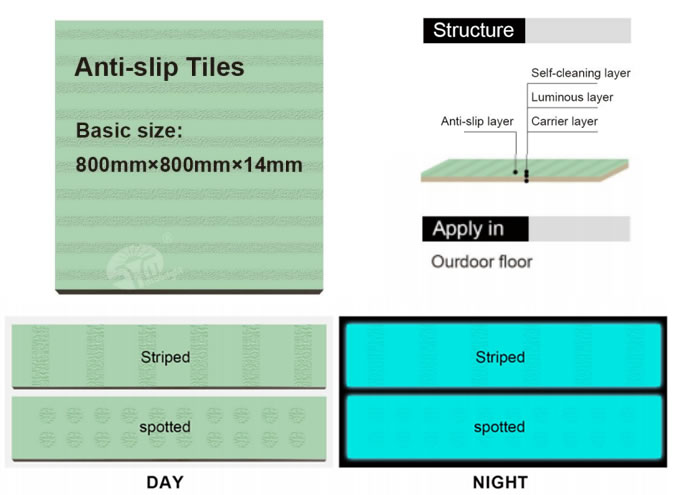
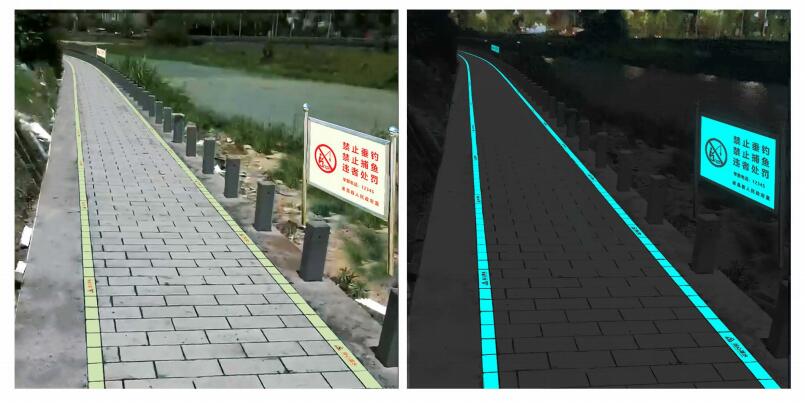
For inorganic luminous safety signs, customized production with Globright inorganic self-luminous panels is recommended. These panels work without electricity and can maintain luminescence for over 10 hours after light absorption. Featuring high hardness and excellent wear resistance, the materials are non-toxic and radiation-free with outstanding environmental performance, and deliver stable performance both indoors and outdoors.
Organic luminous products have notable drawbacks. Long-term exposure to ultraviolet rays outdoors will cause aging and yellowing, shortening the luminous duration. In severe cases, the self-luminous function may fail. Therefore, organic luminous products are not suitable for long-term outdoor installation and are primarily intended for indoor use.
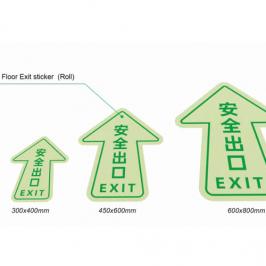
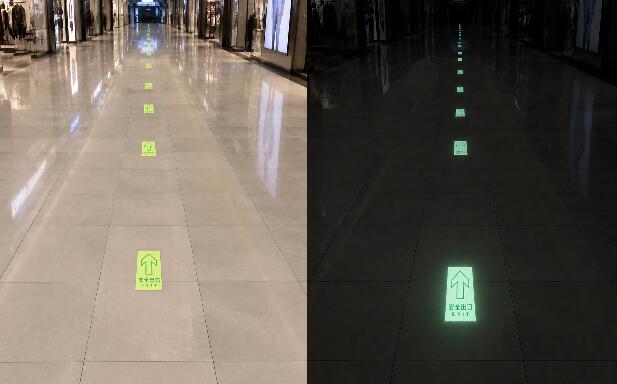
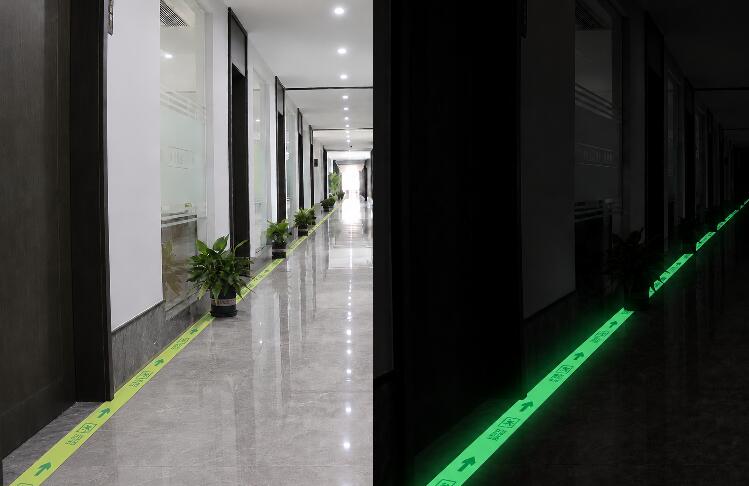
There is a distinct performance gap between signs made of regular luminous films and those adopting Globright organic self-luminous materials. Regular luminous films have a much shorter luminous duration. In addition, Globright self-luminous materials for floor application are equipped with a built-in wear-resistant protective layer, boasting superior durability for long-term paving in multiple scenarios.
The biggest merit of powered emergency indicator lights is their high brightness and excellent visibility. However, they also have obvious shortcomings. Continuous power consumption leads to high electricity costs. The maintenance of circuits and batteries in the later stage incurs extra expenses. Moreover, aging or damaged internal batteries are hard to detect in a timely manner, bringing potential risks of malfunction during emergencies.
Overall, luminous safety signs are classified into powered types and wireless self-luminous types, and self-luminous products are further categorized by inorganic and organic materials.
Powered emergency lights feature high brightness yet come with high power consumption, complicated maintenance and hidden faults. Organic self-luminous products are limited to indoor use; regular luminous films offer short luminous duration and mediocre durability.
Globright inorganic self-luminous signs require no power, deliver long-lasting luminescence, and possess great weather resistance and wear resistance for indoor and outdoor use, presenting higher comprehensive cost performance and safety stability. Engineering clients may select appropriate products based on service environments, budgets and long-term operation & maintenance demands, to balance safety compliance and operational costs.