Tel: +86 139 0589 5606
E-mail:info@globri.com

Tel: +86 139 0589 5606
E-mail:info@globri.com
The replacement frequency of water‑conservancy signs shall be comprehensively determined based on service environment, material performance and actual condition. Signs shall be replaced promptly once they suffer damage or deformation, blurred graphics and texts, color peeling, or become invalid due to project reconstruction or regulation updates, so as to avoid retaining defective signs on‑site.
In water‑conservancy projects such as reservoirs, dykes, sluice stations, river channels and pump stations, safety signs undertake critical functions including safety warning, on‑site guidance, authority‑responsibility publicity and area demarcation. They serve as essential facilities for mitigating safety hazards and standardizing operation procedures. Due to differences in material and manufacturing processes, conventional water‑conservancy signs and inorganic self‑luminous signs show distinct gaps in service life and operation‑maintenance frequency.
Conventional water‑conservancy signs are commonly made of reflective‑film‑clad aluminum plates, stainless steel, PVC and spray‑coated boards. Graphics and texts are formed via printing, film pasting or surface spraying. They are mainly applied to pump houses, office publicity boards, equipment nameplates, safety warnings and project boundary marking.
Since surface graphics and texts are mostly made of organic materials, they are prone to fading, film delamination, edge peeling and deformation under long‑term outdoor exposure to sunlight, rain, moisture and corrosion. In addition, they feature no inherent nighttime luminescence, leading to poor visibility in dim or unlit conditions. Hence, frequent inspection and maintenance are required.
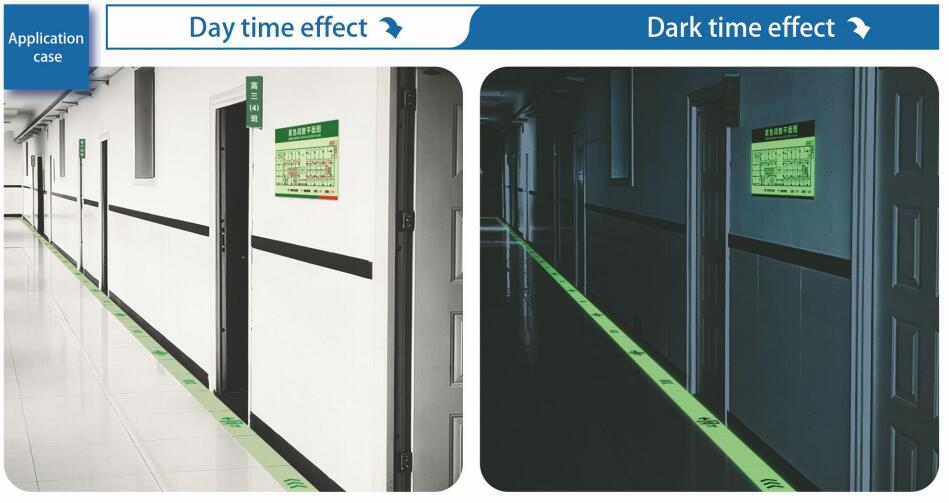
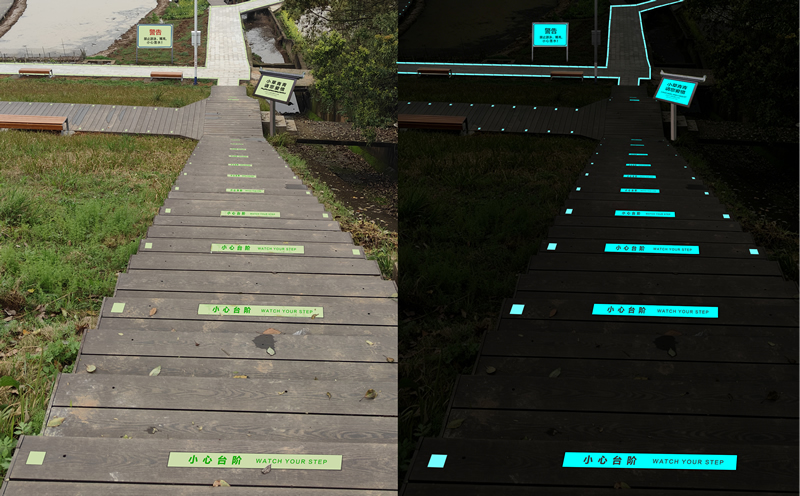
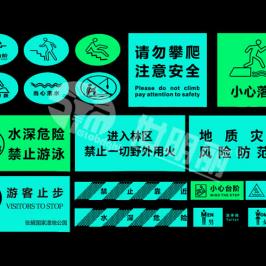
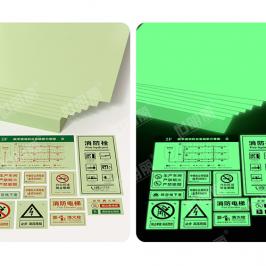
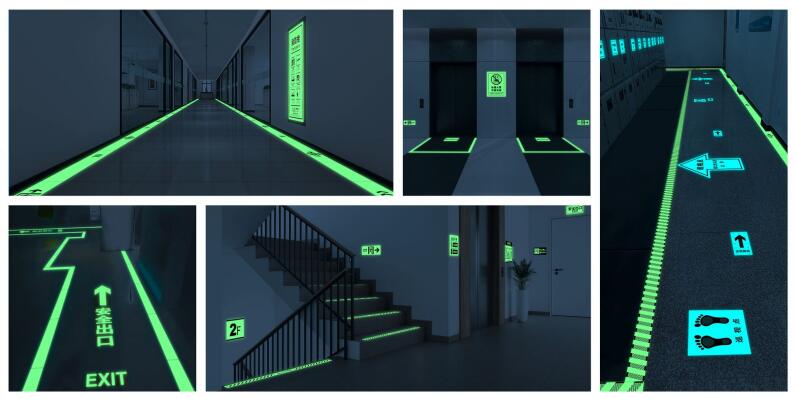
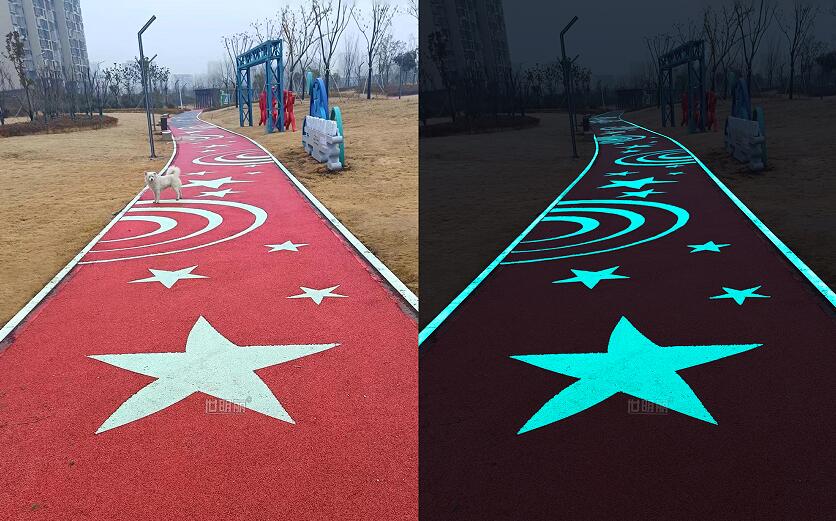
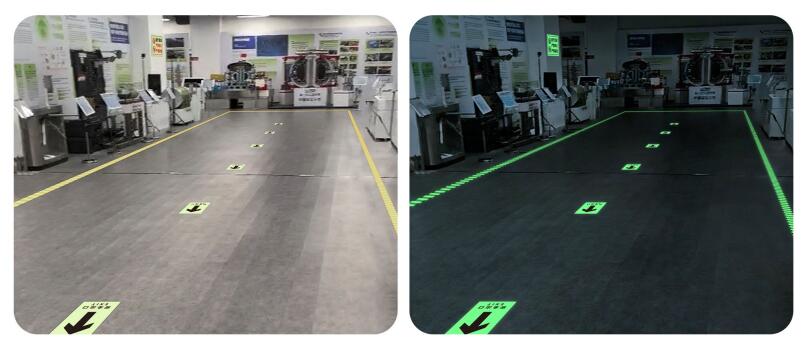
Inorganic self‑luminous water‑conservancy signs are developed for harsh water‑conservancy working conditions. Manufactured from multiple inorganic mineral raw materials through integrated high‑temperature sintering, their surface graphics and texts are fused and cured together with the base material, effectively avoiding common defects of conventional signs such as fading, peeling and shedding.
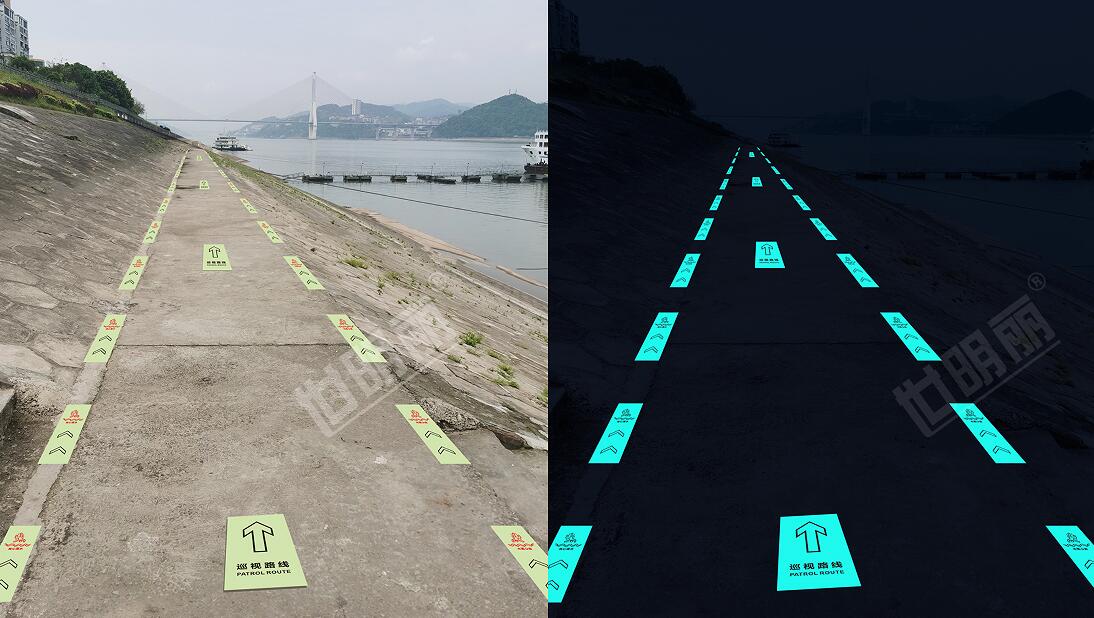
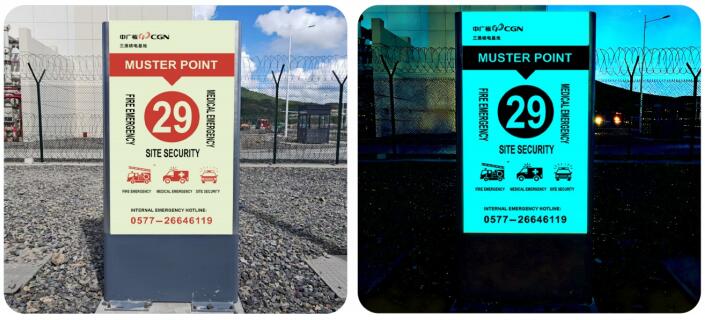
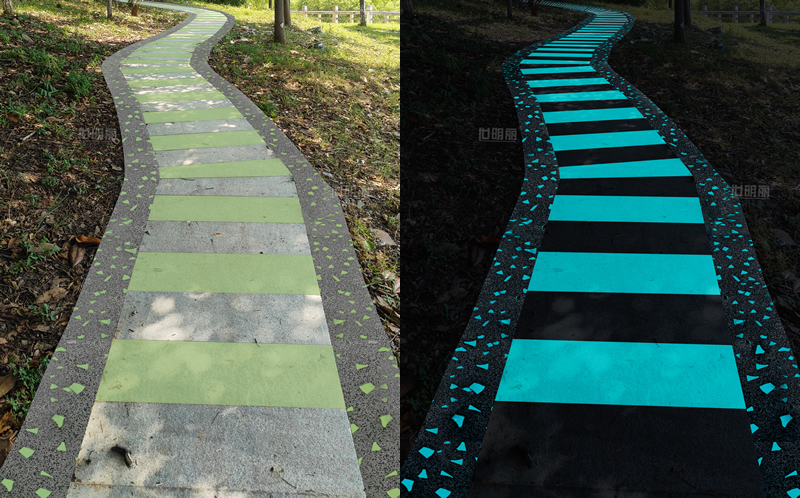
The signs store energy from natural light or artificial lighting through physical light‑absorbing and light‑emitting mechanisms, requiring no external power supply. They deliver zero‑energy consumption, easy maintenance and stable performance. Meanwhile, the boards feature high hardness, outstanding wear resistance, anti‑aging property, UV resistance, acid‑alkali resistance, water‑moisture resistance and impact resistance. They can withstand outdoor intense sunlight, high‑humidity waterside conditions, corrosive atmosphere and large day‑night temperature fluctuations.
Such signs are particularly suitable for low‑light or unlit locations including flood‑control passages, waterside blind zones, dark corners of sluice stations, dim sections of pump houses and water‑conservancy tunnels, to improve recognition at night and under emergency conditions.
With relatively low durability, conventional signs require frequent inspections, routine maintenance and periodic replacement to keep them clear, firm and functional.
Implement graded inspections according to ambient conditions:
For relatively stable environments such as indoor pump houses and office areas, monthly inspection is recommended.
For open‑air waterside sites including dykes, river channels, reservoirs and outdoor sluice stations, special inspections shall be carried out every half‑month.
Special inspections shall be conducted right after severe weather such as heavy rain, typhoons, flood seasons and heavy sandstorms. Clean, reinforce or replace signs that become loose, skewed, dirty or damaged.
Refer to the following cycles for inspection and replacement according to different service environments:
Indoor signs in stable environments shall be comprehensively assessed after 2‑3 years of service and replaced as necessary.
Outdoor conventional signs exposed to sun and rain shall be fully inspected and generally replaced every 1‑2 years.
Waterside sites with high humidity and high corrosion suffer faster deterioration; key inspections shall be performed annually, and replacement shall be arranged according to actual conditions.
Signs with blurred graphics‑texts, structural damage or outdated information shall be replaced immediately regardless of preset cycles.
Routine maintenance mainly includes cleaning sign surfaces, removing obstructions, fastening and rectifying loose or skewed signs, and timely handling minor paint loss, edge warping and surface abrasion.
An inspection and maintenance ledger for signs shall be established to record installation, inspection, repair and replacement activities, realizing traceable whole‑process management.
Benefiting from inorganic materials and integrated high‑temperature sintering technology, inorganic self‑luminous signs possess superior weather resistance and durability. Mandatory replacement by fixed service years is generally unnecessary. Operation‑maintenance priorities can shift from “periodic replacement” to “condition inspection and performance evaluation”.
Special inspections shall be conducted quarterly for ordinary sites, focusing on board integrity, mounting firmness and nighttime luminescence performance.
After flood seasons and extreme weather such as heavy rain and gales, special checks shall be performed for breakage, dirt accumulation, looseness or fastener falling‑off to eliminate potential safety hazards in a timely manner.
Replacement of inorganic self‑luminous signs is determined by actual service status. As long as the board structure remains intact, graphics‑texts stay legible, mounting keeps firm and light‑absorbing & light‑emitting performance meets operational requirements, the signs can remain in service.
When materials, production techniques and installation quality comply with specifications, their service life is far longer than that of conventional signs and long‑term service can be achieved under suitable working conditions. For products continuously exposed to intense outdoor sunlight, high humidity and corrosive surroundings, service life shall be judged based on practical performance test results.
Clean surface dust, water stains and contaminants with clean water and soft cloth in daily operation. Long‑term surface coverage shall be avoided so as not to impair light‑absorbing and light‑emitting effects.
Regularly check mounting fasteners, prevent signs from being sheltered by plants or debris, and carry out nighttime luminescence tests as needed to continuously track brightness, viewing distance and overall condition.
Restricted by raw materials and surface processes, conventional water‑conservancy signs require frequent inspection, maintenance and timely condition‑based replacement. Supported by inorganic materials, high‑temperature sintering and light‑absorbing luminescence technology, inorganic self‑luminous signs show prominent advantages in weather resistance, durability and nighttime identifiability, which can effectively cut down maintenance and replacement frequency.
Differentiated management shall be adopted in water‑conservancy project operation according to sign materials, installation environments and actual service status, instead of applying uniform replacement cycles. Scientific inspection, status assessment and timely maintenance can sustain valid on‑site signs while lowering operation‑maintenance costs, and further refine the safety management level of water‑conservancy projects.