Tel: +86 139 0589 5606
E-mail:info@globri.com

Tel: +86 139 0589 5606
E-mail:info@globri.com
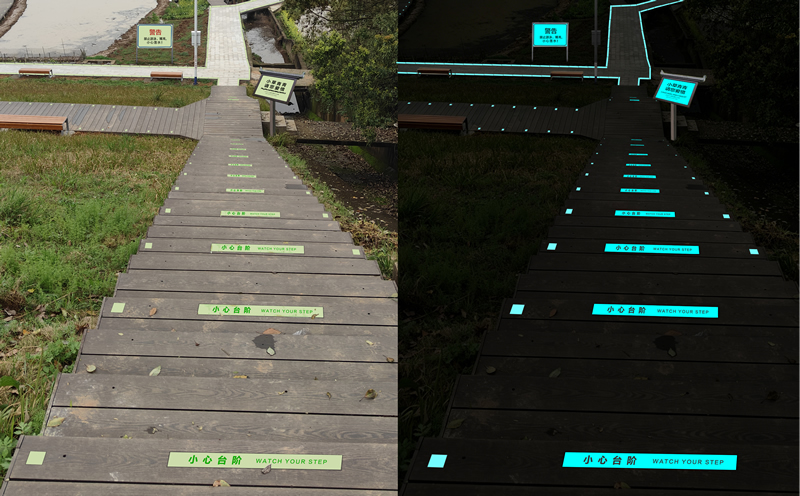
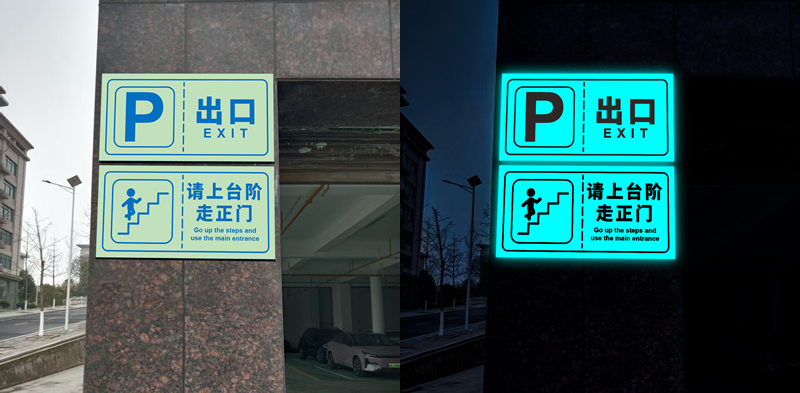
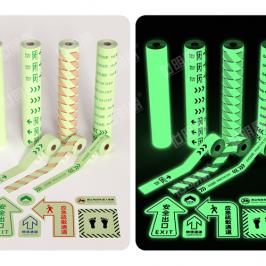
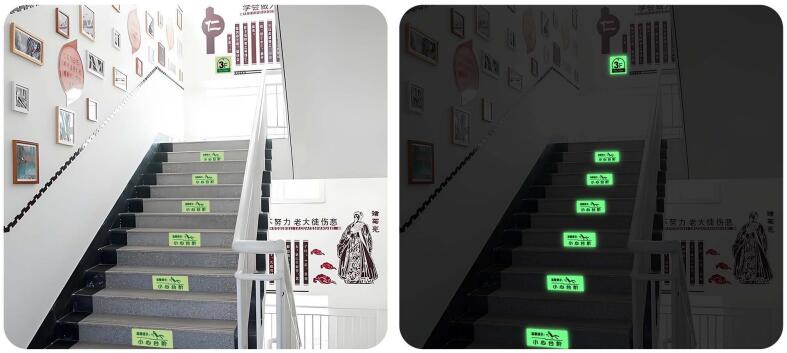
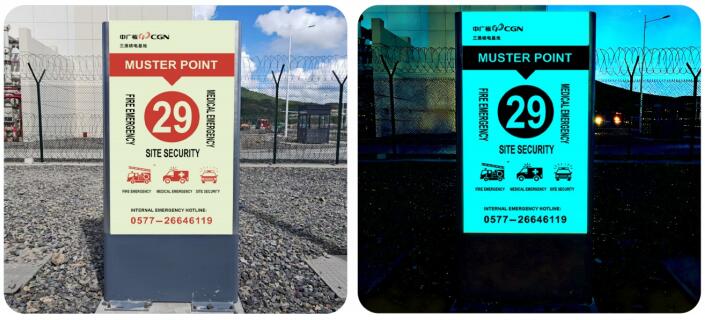
Inorganic self-luminous road markings are road visual guidance facilities that realize autonomous nighttime luminescence with new inorganic light-storing materials. They can be constructed with inorganic self-luminous granules or prefabricated inorganic self-luminous panels according to different scenarios. The products absorb natural light or ambient light and store light energy by day, and emit light continuously at night without external power supply. They are applicable to scenarios such as unlit roads, tunnels, underground passages, dyke patrol roads, mining area roads and scenic trails, providing clear road boundaries, direction guidance and risk prompts for nighttime pedestrian travel, patrol operations and emergency passage.
For edge lines of unlit urban roads, crosswalk warning lines, underground passages, tunnel lane edges, backstreets and alleys, and municipal nighttime patrol footpaths, construction can be carried out by mixing inorganic self-luminous granules into marking substrates for scattered surface paving, or laying prefabricated standardized inorganic self-luminous panel markings, depending on the pavement structure.
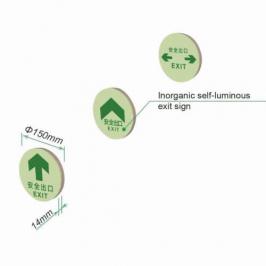
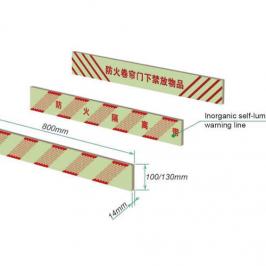
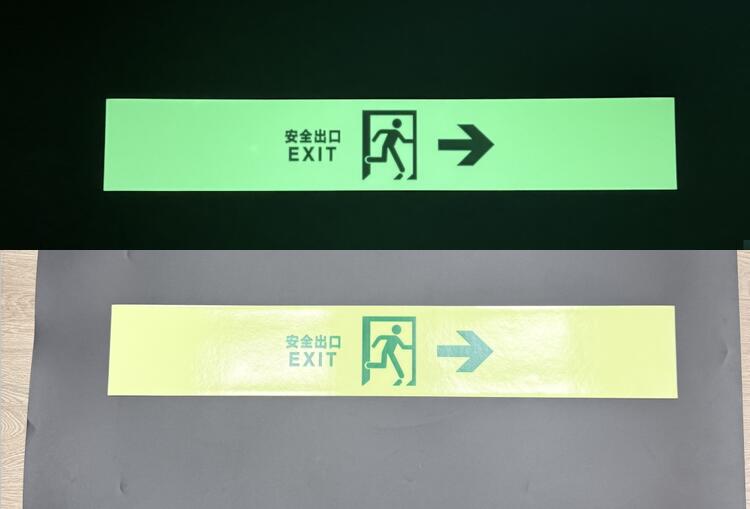
Inorganic self-luminous granules are suitable for construction of continuous edge lines, curve contour lines and large-area road sections, while self-luminous panels are applicable to direction arrows, boundary lines, warning belts and key nodes. At night, they maintain clear and identifiable road contours and directions without continuous irradiation of vehicle lights, providing stable visual reference for pedestrians, non-motor vehicle traffic and nighttime patrols of municipal staff. They are especially suitable for unlit roads, underground spaces and temporary power outage areas.
For waterfront and cliffside sections of national and provincial trunk roads, mountain highway curves, tunnel carriageways and emergency lanes, unlit rural highways and highway maintenance patrol passages, inorganic self-luminous granules can be used to build continuous road edge luminous belts, and self-luminous panels can also be adopted to set contour lines, guide lines and key risk warning areas.
In cases of remote mountainous areas, rural roads and abnormal tunnel lighting, self-luminous road markings can continuously outline road boundaries and alignment, providing auxiliary identification for nighttime pedestrians, non-motor vehicles and maintenance patrol personnel. Especially in environments lacking street lamps and vehicle headlight irradiation, they can improve problems such as unclear road edges and difficult judgment of curve conditions, providing clearer visual conditions for nighttime maintenance patrols and road traffic.
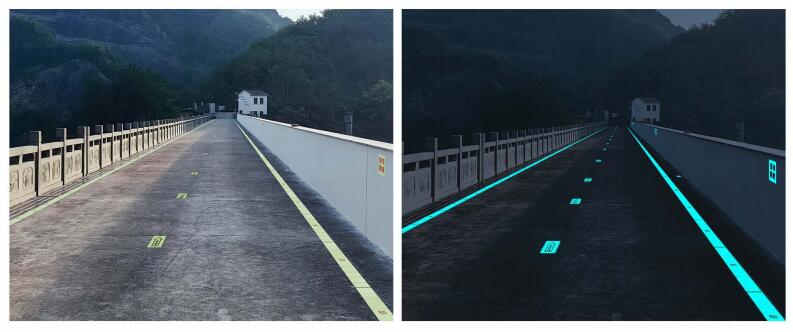
For dyke crest patrol roads, reservoir ring roads, sluice station operation passages, canal-side footpaths and flood control emergency channels, inorganic self-luminous granules can be used to lay continuous patrol routes, and self-luminous panels can also be adopted to make road boundary lines, direction arrows, hazardous area warning lines and emergency channel signs.
In scenarios such as nighttime dyke patrols in flood seasons, insufficient lighting in reservoir areas or sudden power outages, self-luminous road markings are clearly visible without external power supply, providing reference for patrol personnel to identify road edges and travel directions. For flood control and emergency rescue scenarios, they also help personnel quickly identify channel directions and key areas, providing stable road visual assistance for nighttime patrols, flood control duty and emergency response.
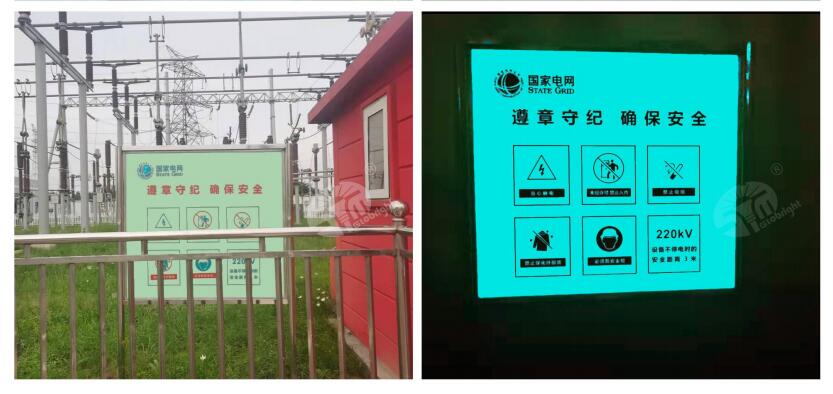
For substation patrol roads, mining production and transportation roads, industrial plant safety passages, high-risk area boundaries and underground operation passages, inorganic self-luminous granules can be used to lay guide lines and traffic edge lines according to the environment, and self-luminous panels can also be adopted to set warning lines for high-risk areas, patrol routes and emergency channel markings.
Such markings require no power line laying and remain clearly visible even in power outage environments of plants and mining areas, helping to clarify the traffic scope of personnel and vehicles, and assisting patrol personnel to quickly identify operation routes and hazard boundaries. For scenarios such as nighttime duty, equipment inspection and emergency evacuation, they can reduce difficulties in direction identification caused by insufficient lighting.
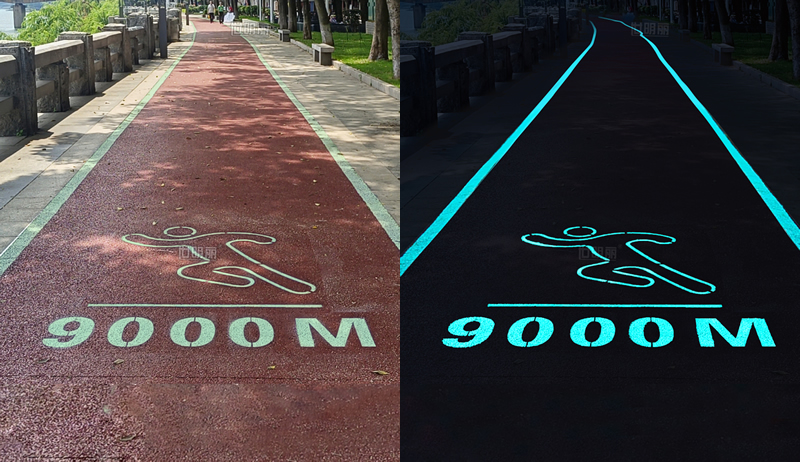
For scenic sightseeing trails, park ring roads, internal roads of industrial parks, parking lots and nighttime security patrol routes, inorganic self-luminous granules can be used to form continuous and soft road contour lines, and self-luminous panels can also be adopted to make direction guide lines, pedestrian boundary lines and key node prompt signs.
At night, continuous visual guidance is formed without additional power supply, providing route reference for tourist walking, park personnel passage and security patrols. With reasonable deployment, it can not only meet the demand for nighttime safety guidance, but also enhance the spatial hierarchy of roads, balancing functionality and environmental coordination.
Inorganic self-luminous granules are more suitable for continuous roads, curves, edge lines and large-area embedded construction, and can be used in combination with marking substrates, concrete, etc. to form continuous luminous lines. Self-luminous panels are preformed products, more suitable for standard boundary lines, direction arrows, key warning areas and modular installation, featuring unified specifications and flexible installation.
In actual projects, single use or combined application can be selected according to road structure, construction conditions, service environment and later maintenance requirements. For example, self-luminous granules can be used for continuous road edge lines, while self-luminous panels can be adopted at key intersections, hazard nodes and direction guidance areas, so as to balance continuous guidance and key warning effects.
Traditional reflective pavement markings usually require irradiation of vehicle headlights, flashlights or fixed lighting to achieve good identification effect. For nighttime pedestrians and patrol personnel, the visibility of ordinary markings tends to decrease significantly in environments without vehicle lights, street lamps or sudden power outages.
Inorganic self-luminous road markings can complete light energy storage by day or with ambient light, and continuously present road boundaries and travel routes at night without relying on continuous irradiation of vehicle lights. For scenarios such as municipal patrols, flood control dyke patrols, mining area inspections, park security and ordinary pedestrian nighttime passage, they can provide more continuous and intuitive visual reference.
Through two main forms of inorganic self-luminous granules and prefabricated self-luminous panels, inorganic self-luminous road markings can cover various application scenarios such as municipal roads, highway transportation, water conservancy projects, power & industrial mining, and scenic spots & parks. Its core value lies in maintaining the visibility of road boundaries and directions under low light, no lighting and power outage conditions without external power supply, providing continuous visual assistance for nighttime pedestrian travel, patrol operations and emergency passage.