Tel: +86 139 0589 5606
E-mail:info@globri.com

Tel: +86 139 0589 5606
E-mail:info@globri.com
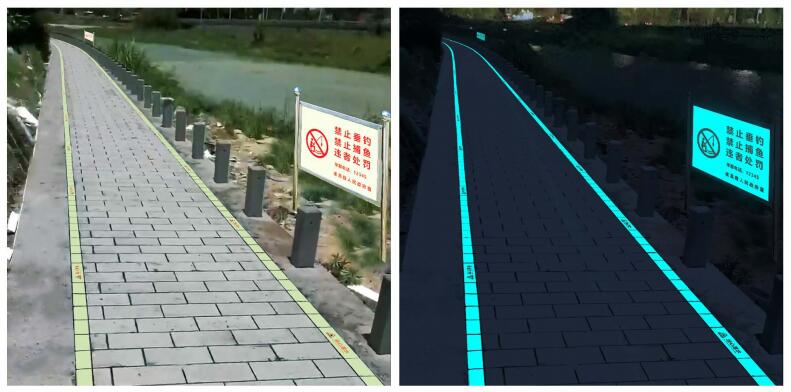
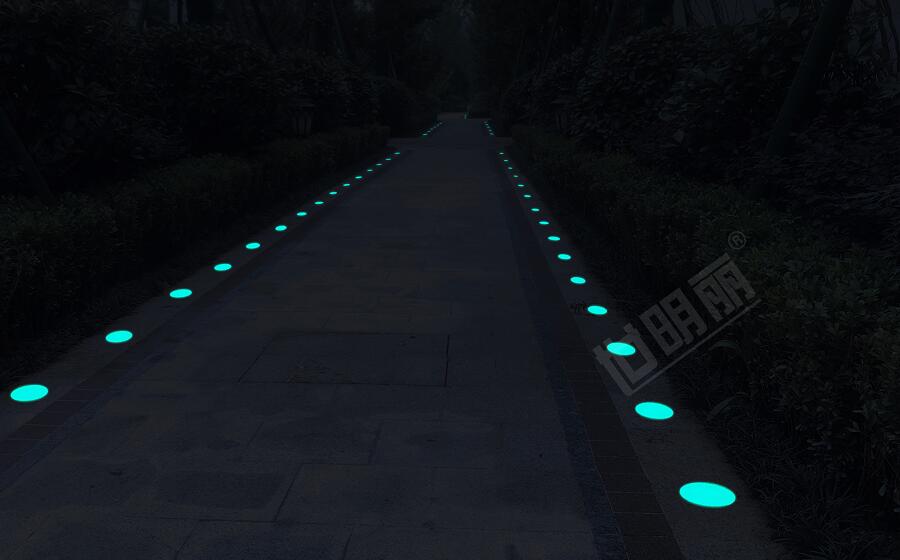
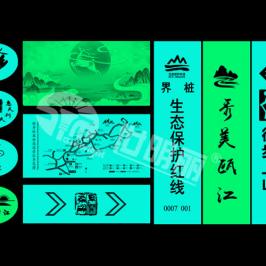
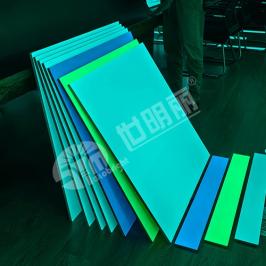
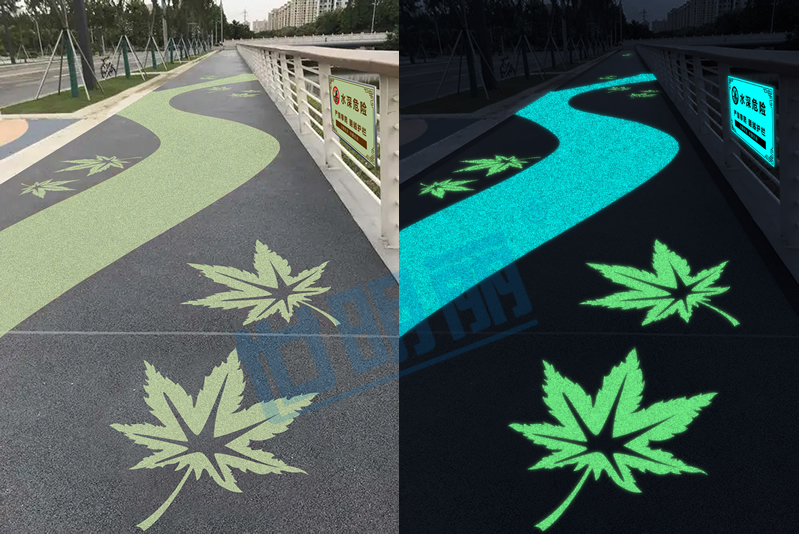
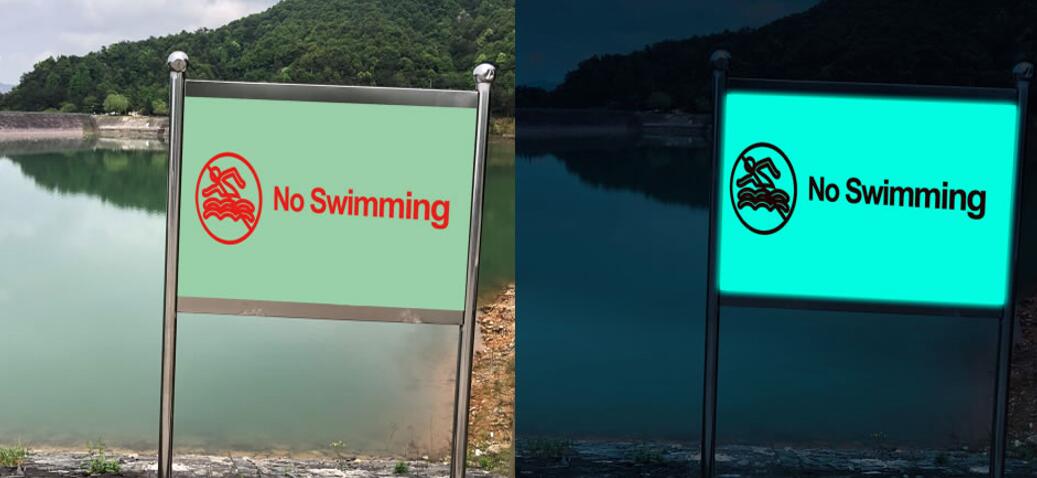
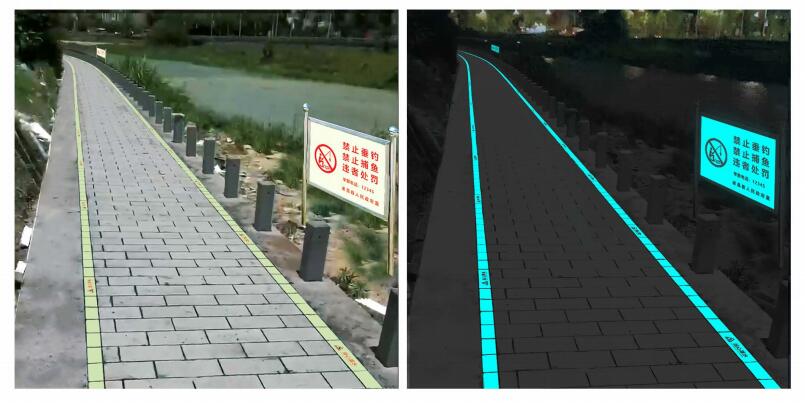
The self-luminous, power-free luminous warning signs widely deployed in infrastructure and safety projects are based on inorganic self-luminous photoluminescent technology. Distinct from powered LED luminous warning signs, they generate visible light through the pure physical light-storing mechanism of inorganic materials. Requiring no external power supply or wiring, they deliver consistent performance and exceptional weatherability, and have become the dominant luminous signage solution for outdoor engineering, emergency response and high-risk facilities.
The structural foundation consists primarily of inorganic minerals such as kaolin and quartz sand. These minerals inherently offer non-combustibility, corrosion resistance, high hardness and weathering resistance, which fundamentally determine the weather resistance and service life of the finished signs — performance advantages that organic substrates cannot match.
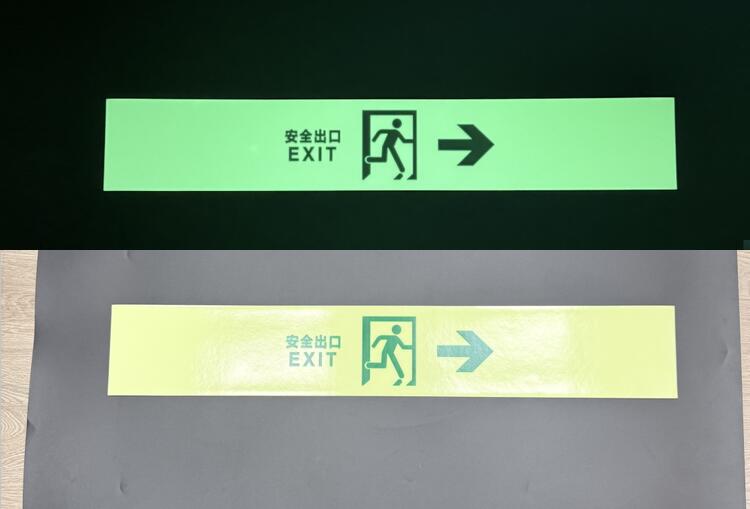
The light-emitting layer is formulated from multiple rare-earth inorganic minerals. These materials support a highly efficient "light absorption – energy storage – light emission" cycle: they absorb and store energy from natural daylight and ambient lighting by day, then gradually release visible light at night or in low-illuminance environments. Non-toxic, non-hazardous and non-radioactive, they support unlimited repeated charge-discharge cycles with no long-term luminous degradation.
Finished signs are integrally formed through sintering at temperatures above 1000°C. Warning graphics and text are fused monolithically with the substrate, rather than printed or coated onto the surface. This process gives markings the same service life as the base material itself, structurally guaranteeing no peeling, fading or delamination over decades of use — completely eliminating the surface failure issues common to traditional film-coated and printed signage.
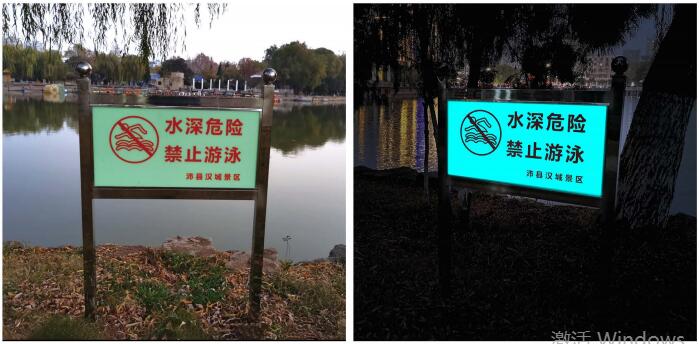
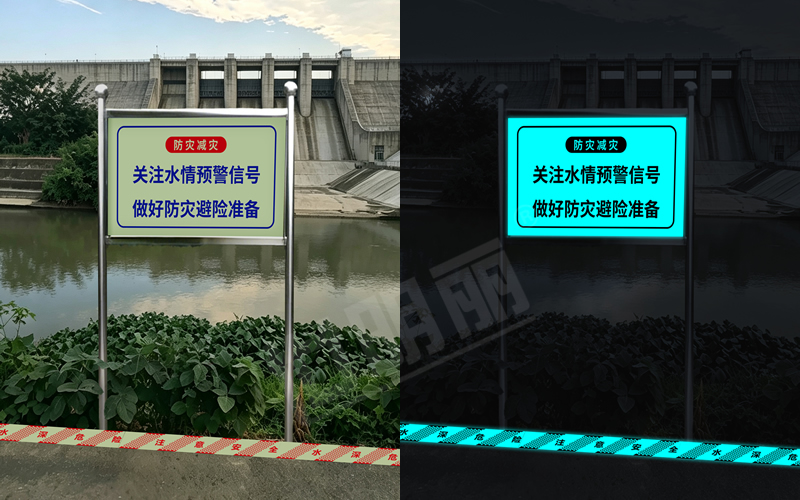
No power supply or wiring is required. Light charging and emission operate entirely through ambient light absorption, completely eliminating reliance on electrical infrastructure. They deliver reliable luminous performance in remote outdoor road sections, unpowered dykes & reservoirs, and power-outage emergency scenarios, delivering true all-weather warning capability.
Inorganic materials have extremely stable chemical properties, withstanding intense UV exposure, water immersion and salt-alkali corrosion. They do not age, degrade or fade after long-term outdoor service. Whether in high-salt coastal environments, flood-season waterfront immersion zones, or mountain regions with extreme diurnal temperature swings, they maintain stable performance — solving the core pain points of fading, aging and failure that plague organic luminous materials.
The base material is inherently non-combustible, and the product contains no internal circuits or electronic components. This eliminates risks of electrical sparks and short-circuit ignition. Fully suitable for flammable and explosive high-risk sites such as chemical plants, power stations and mining facilities, they meet explosion-proof safety standards and will not become a secondary hazard source during emergency incidents.
There are no consumable or wearing parts in the monolithic structure, resulting in a service life far longer than luminous signs made of other materials. During operation, no battery replacement or circuit maintenance is required; routine surface cleaning is sufficient to sustain performance, greatly reducing long-term labor and material costs for operation and maintenance.
Most alternative luminous sign materials struggle to balance durability, weather resistance and long-term reliability. The table below compares key performance metrics across mainstream options:
表格
| Material Type | Power Required | Weather Resistance | Waterproof | Outdoor Service Life | Fire Safety |
|---|---|---|---|---|---|
| Inorganic Self-Luminous | No | Excellent | Excellent | 15+ years | Non-combustible |
| Organic Luminous Film | No | Poor | Poor | 1–2 years | Combustible |
| Powered LED | Yes | Poor | Poor | 2–4 years | Circuit fire risk |
| Acrylic Luminous | No | Fair | Poor | 2–3 years | Combustible |
Made by coating light-storing powder onto organic substrates such as PVC and PET. They offer low cost and flexible pattern customization, but poor weather resistance. After outdoor sun exposure, they quickly fade, warp and lose adhesion, with rapid luminous decay. They are only suitable for short-term indoor use or temporary signage, and cannot meet long-term outdoor engineering requirements.
Composed of metal housings, LED arrays and power supply circuits. They deliver high brightness, but require continuous power to operate. Beyond circuit failure and short-circuit fire risks, their outdoor waterproof seals degrade rapidly with sun exposure, leading to high operation and maintenance costs. They lose all luminous function immediately during power outages, with poor emergency reliability.
Manufactured by mixing light-storing materials into acrylic panels. They offer high visual clarity, but insufficient weather resistance. Long-term open-air sun exposure causes brittleness, cracking and internal fogging, with rapidly degrading luminous performance. Mostly used for indoor decorative signage and low-risk scenarios, they are not suitable for long-term outdoor deployment.
With core advantages of passive luminescence, weather durability and intrinsic safety, inorganic self-luminous luminous warning signs are ideal for a wide range of high-demand scenarios:
Q: Do luminous warning signs require electricity? A: Inorganic self-luminous warning signs require no external power or wiring. They charge via ambient light during the day and glow autonomously at night. Powered LED luminous signs do require a continuous power supply.
Q: What is the best material for outdoor luminous warning signs? A: Inorganic self-luminous materials are the best choice for outdoor luminous signs. They offer the longest service life (15+ years), the best weather and corrosion resistance, and intrinsic fire safety.
Q: How long do self-luminous warning signs last? A: Inorganic self-luminous signs last 15+ years outdoors with no luminous degradation. Organic film signs last 1–2 years, and acrylic signs last 2–3 years in outdoor environments.
Q: Are luminous warning signs fire-safe? A: Inorganic self-luminous signs are non-combustible and contain no electrical components, making them intrinsically fire-safe. Organic and acrylic luminous materials are combustible, and LED signs carry circuit fire risks.
Power-free passive luminous warning signs are based on inorganic self-luminous materials, representing the best overall performance luminous signage solution available today. Especially suited for harsh outdoor conditions and high-risk scenarios, they are the standard choice for engineering-grade luminous warning signs.
For procurement, prioritize formal inorganic self-luminous products manufactured with high-temperature sintering technology, and select specifications matched to the application environment. Be aware of the performance difference between low-cost organic luminous materials and inorganic materials. Avoid selecting organic products based on upfront cost alone, as this leads to short service life, poor luminous performance and frequent replacement over the long term.