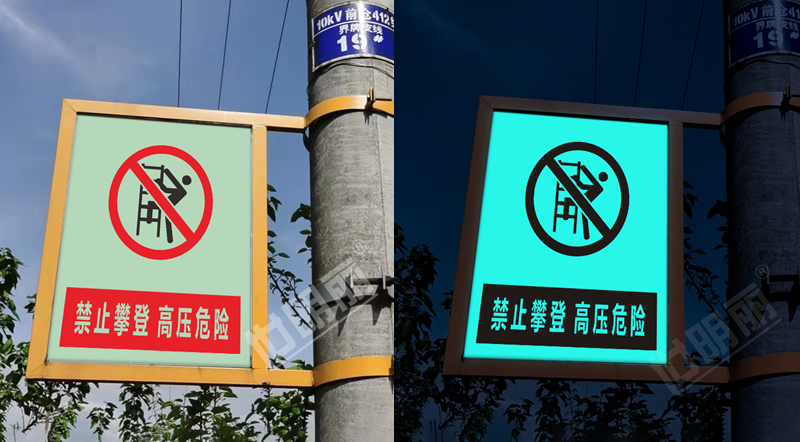
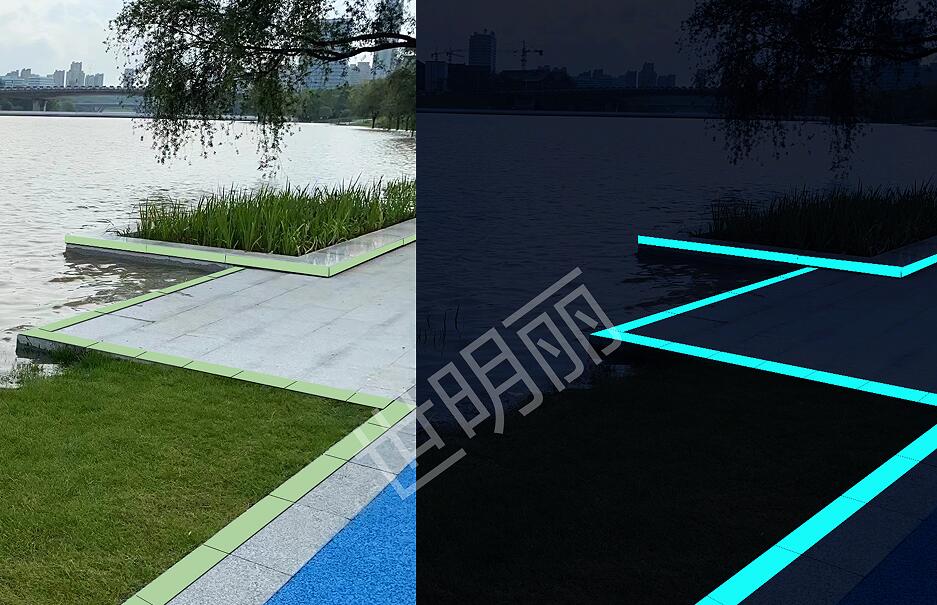
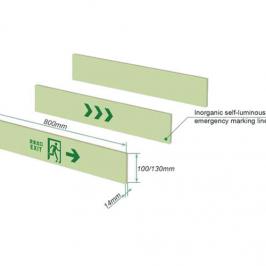
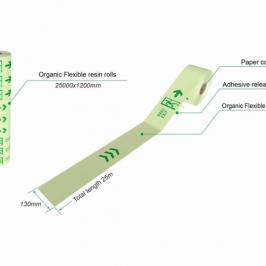
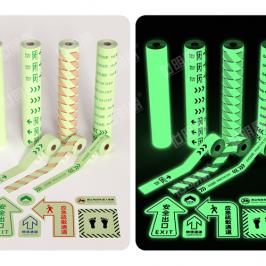
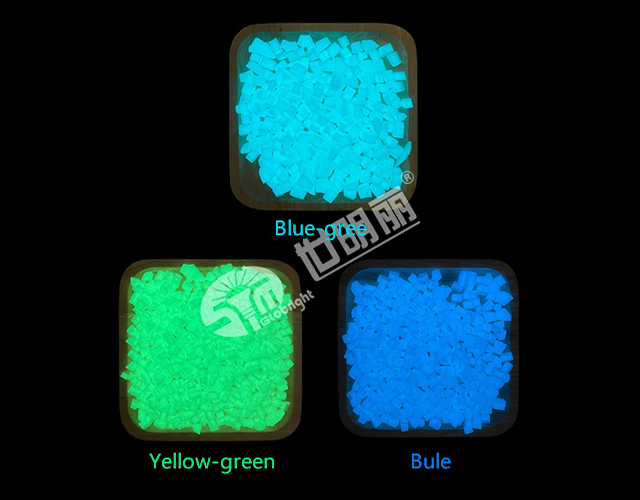
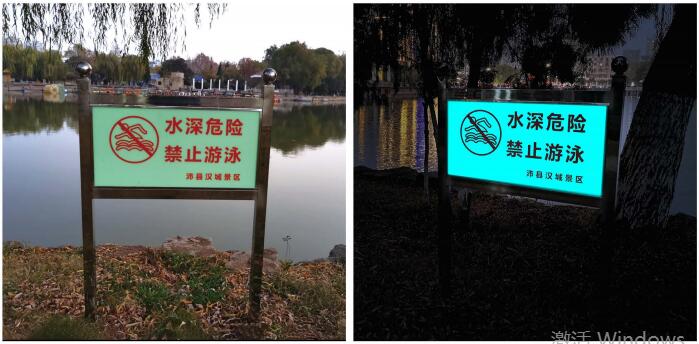
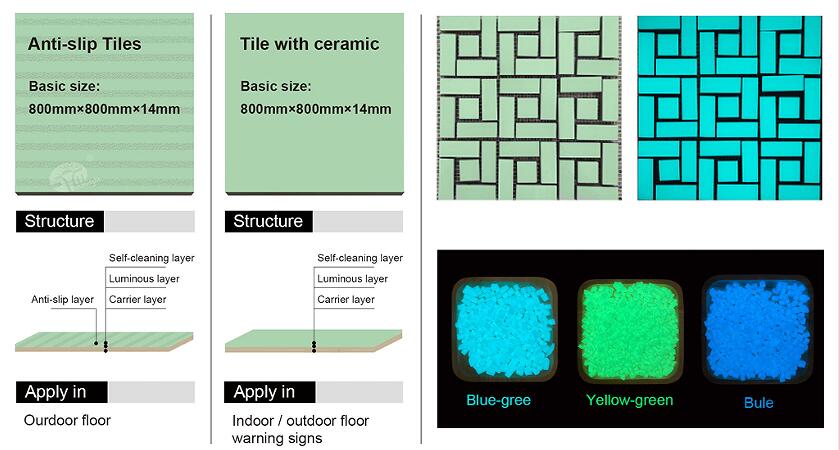
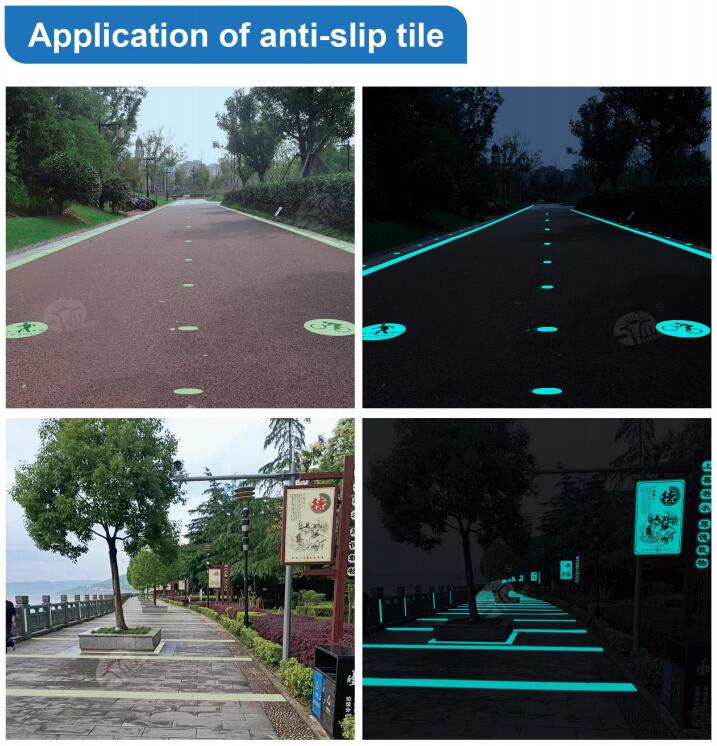
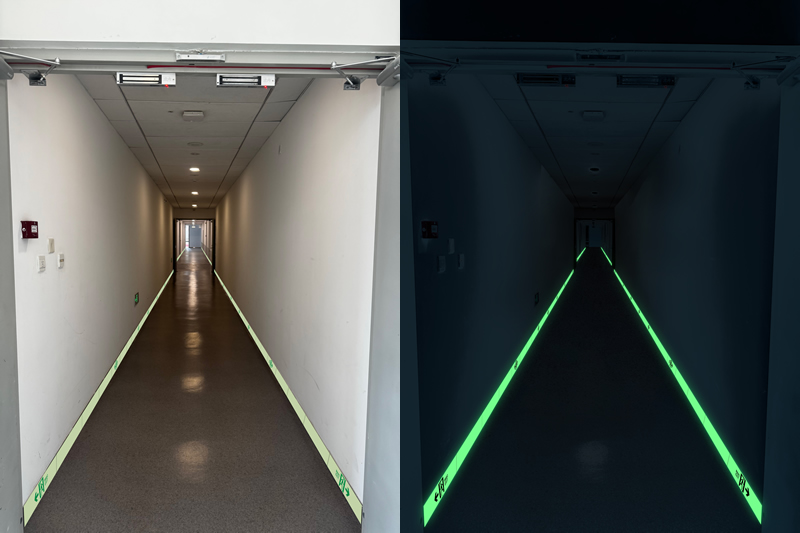
In facilities such as substations, power distribution rooms, transmission corridors and equipment zones, warning signs must deliver clear graphics, secure mounting and — critically — match the electrical environment with appropriate insulation properties, flame retardancy, weather resistance and nighttime visibility. Electrical warning signs made with Globright inorganic self-luminous materials and organic self-luminous roll materials both deliver excellent inherent insulation performance, directly meeting insulation protection requirements for electrical sites. Neither material contains conductive components; insulation is inherent to the base material itself. Adapted to electrical scenarios of different voltage classes and operating conditions, they enable a full-scenario insulation safety warning system.
1. Why Insulation Performance Is Critical for Electrical Warning Signs
Electrical safety signage requires more than legible text. Insulation is a non-negotiable safety criterion for any sign installed near live electrical equipment.
- Inherent insulation: The base material itself must provide stable insulating properties, with no conductive parts or metal framework that could turn the sign itself into a conductor and create close-proximity shock hazards.
- Voltage breakdown resistance: Must withstand the voltage class of the application environment without breakdown or flashover, meeting insulation protection requirements within electrical safety clearances.
- Long-term insulation stability: Must withstand long-term outdoor exposure, humidity, contamination and salt spray. Insulation resistance must not degrade due to material aging, surface moisture or dirt accumulation.
- Insulation-safe installation & maintenance: Deployment and maintenance must not damage the insulation integrity of existing electrical facilities or introduce conductive connectors, complying with electrical workplace safety standards.
2. Compliant Self-Luminous Electrical Warning Sign Solutions
Globright offers two material systems purpose-built for electrical environments, each matched to different voltage levels and site conditions.
| Material Type |
Inherent Insulation |
Flame Retardant Grade |
Voltage Suitability |
Outdoor Service Life |
Best For |
| Inorganic Self-Luminous |
Excellent |
Non-combustible |
High voltage (outdoor) |
30+ years |
Substations, transmission corridors, switchyards |
| Organic Self-Luminous Roll |
Good |
Class B1 (GB 8624-2025) |
Low voltage (indoor) |
5–8 years (indoor) |
Distribution rooms, control cabinets, facility retrofits |
| Standard Metal |
None |
Combustible |
N/A |
2–3 years |
Prohibited near live equipment |
| PVC |
Poor / Unstable |
Combustible |
Low voltage only |
1–2 years |
General non-hazard warnings only |
| LED Illuminated |
High risk |
Circuit fire risk |
Low voltage only |
2–4 years |
Not for explosive electrical zones |
2.1 Inorganic Self-Luminous Electrical Warning Signs (High-Voltage Outdoor)
- Inherently insulating substrate: Formulated from multiple inorganic minerals and integrally sintered at temperatures above 1000°C, the substrate itself is a high-grade insulating material. The entire structure contains no metal components or conductive media, delivering high insulation resistance and excellent high-voltage breakdown resistance — eliminating conduction risk at the material level.
- Long-term stable insulation: The dense substrate resists contamination, moisture and salt spray corrosion. Conductive dust does not readily accumulate on the surface. Insulation performance remains undegraded after decades of outdoor service, making it ideal for open-air substations, high-voltage corridors and other harsh outdoor electrical sites.
- Intrinsic safety benefits: Fully passive and power-free, with no internal circuits or electronic components. This eliminates leakage and spark hazards at the source. Combined with non-combustible properties, it meets the multi-layer safety requirements of explosion protection, fire protection and insulation in high-voltage electrical environments.
2.2 Organic Self-Luminous Roll Electrical Warning Signs (Low-Voltage Indoor)
- All-organic insulating substrate: Made from insulating polymer material with no conductive coatings or metal fittings. Overall insulation performance is stable, directly meeting insulation protection requirements for low-voltage electrical scenarios without acting as a conductive medium.
- Insulation-friendly installation: Equipped with insulating pressure-sensitive adhesive backing for peel-and-stick application. No metal rivets or wall drilling required, preserving the insulation layer of electrical equipment and walls. No conductive hazards are introduced during installation, making it ideal for retrofitting existing electrical facilities.
- Dual flame retardant + insulation compliance: Meets the Class B1 flame-retardant standard per GB 8624-2025, self-extinguishing after flame removal. Combining both insulation and flame retardant properties, it meets the comprehensive safety requirements of indoor power distribution spaces.
3. Insulation Shortcomings of Conventional Electrical Warning Sign Materials
- Ordinary metal warning signs: The substrate itself is conductive with severe electric shock risk. With completely inadequate insulation performance, they are strictly prohibited for close-proximity electrical warning applications.
- Ordinary PVC warning signs: Many low-cost products contain conductive fillers, resulting in unstable insulation performance. After long-term aging, they crack and absorb moisture, with greatly reduced insulation performance. They are only acceptable for general warning scenarios far from live electrical parts.
- LED illuminated warning signs: Contain conductive components including metal circuits and lamp assemblies. Seal failure leads to moisture ingress and electric leakage, with high insulation risk. They also carry spark-related ignition hazards, making them unsuitable for explosive high-risk electrical zones.
- Ordinary acrylic warning signs: Moderate insulation performance. Surfaces readily build up static charge with poor arc resistance, presenting safety hazards in high-voltage environments. They are only suitable for low-voltage, non-core general warning scenarios.
4. Application Recommendations by Electrical Scenario
- High-voltage outdoor electrical sites: Specify inorganic self-luminous materials. Suitable for substations, transmission towers, high-voltage power corridors, switch stations and converter stations. Used for high-voltage hazard warnings, equipment zoning, patrol channel guidance and safety boundary marking, ensuring insulation safety and all-weather warning performance in high-voltage environments.
- Low-voltage indoor electrical sites: Specify organic self-luminous roll materials. Suitable for power distribution rooms, low-voltage switch rooms, control cabinets, community distribution boxes and floor metering rooms. Used for shock hazard notices, equipment status identification, fire passage guidance and emergency evacuation direction, balancing insulation safety and fire code compliance.
- Existing electrical facility retrofits: Prioritize organic self-luminous roll materials for fast, peel-and-stick installation. No drilling or mechanical fastening required, preserving the insulation integrity of existing facilities. Sign safety upgrades can be completed without disrupting normal power supply.
5. Frequently Asked Questions
Q: Do electrical warning signs need to be electrically insulated? A: Yes. Any warning sign installed near live electrical equipment must provide inherent insulation to prevent the sign itself from becoming a conductive hazard. Insulation performance, voltage rating and long-term stability are core safety criteria.
Q: What is the best material for high-voltage outdoor warning signs? A: Inorganic self-luminous materials are the best choice for high-voltage outdoor sites. They are inherently insulating, non-combustible, weather-resistant and deliver passive nighttime visibility, with a 30+ year outdoor service life.
Q: Are PVC signs safe for electrical rooms? A: Generally no. Low-cost PVC signs often contain conductive fillers, and insulation performance degrades with aging and moisture. They are only acceptable for general, non-hazard warnings located well away from live electrical parts.
Q: Can self-luminous signs be used in explosive electrical environments? A: Inorganic self-luminous signs are suitable. They contain no circuits, electronics or conductive components, produce no sparks and are non-combustible, meeting intrinsic safety requirements for hazardous electrical areas.
Summary
Both Globright inorganic self-luminous materials and organic self-luminous roll materials feature inherent insulation performance, and can be deployed directly in electrical scenarios without additional insulation treatment. Inorganic self-luminous materials excel in harsh high-voltage outdoor conditions, while organic self-luminous roll materials are optimized for low-voltage indoor and retrofit scenarios. Both material systems fully meet the insulation safety requirements for electrical warning signage.
For project procurement, select inorganic self-luminous signs for high-voltage outdoor sites (30+ year service life) and organic self-luminous roll materials for low-voltage indoor and retrofit applications. Always verify material test reports and voltage ratings to ensure full alignment with site electrical safety standards.