Tel: +86 139 0589 5606
E-mail:info@globri.com

Tel: +86 139 0589 5606
E-mail:info@globri.com
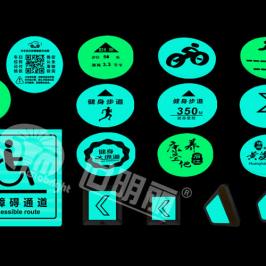
Fire warning signboards are foundational visual components of any fire safety system. They must simultaneously meet multiple fire code requirements: certified flame retardancy, reliable emergency performance and all-hours visibility. Both Globright inorganic self-luminous signboards and organic self-luminous roll signboards meet full compliance standards for fire warning signage. Inorganic self-luminous materials are engineered for harsh outdoor, indoor high-hazard and extreme-use scenarios, while organic self-luminous roll materials are optimized for indoor buildings and existing facility retrofits — together covering full-scenario fire warning sign compliance needs.
Fire warning signs are mandatory fire safety devices. Material compliance directly impacts fire inspection outcomes and emergency response effectiveness. There are four core compliance dimensions; failure in any one means the sign does not meet fire code requirements.
This is the baseline entry requirement for fire signage. Material combustion performance must meet national standards: no lower than Class B1 flame-retardant for indoor scenarios, and non-combustible grade for outdoor high-risk sites. When exposed to fire, compliant materials produce no molten drips and no toxic smoke, and do not act as secondary hazard sources that accelerate fire spread.
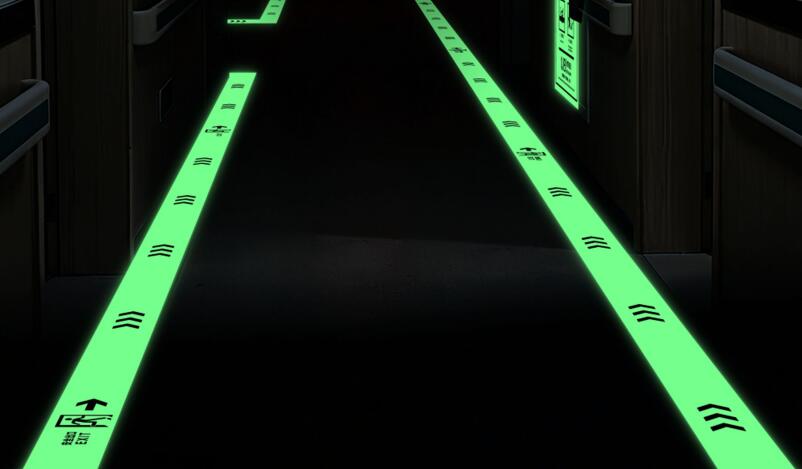
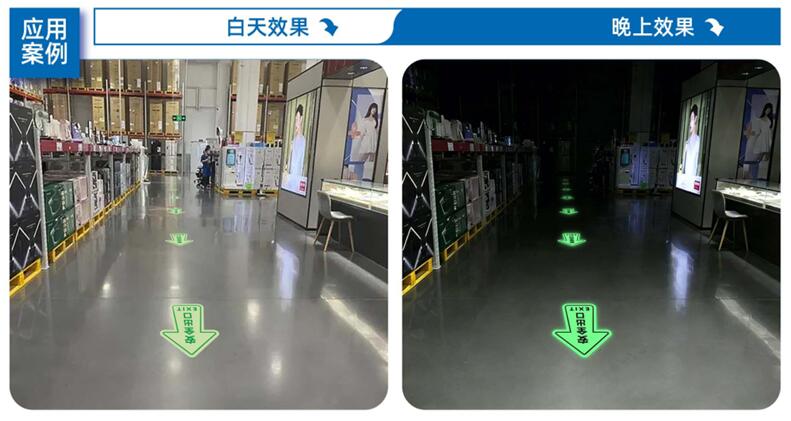
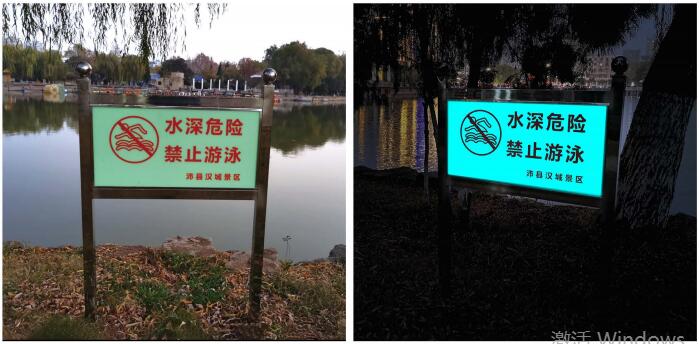
This is the core functional requirement for fire scenarios. Fires typically cause extreme conditions including power outages, thick smoke and total lighting failure. Signs must remain clearly legible without external power or ambient lighting, delivering independent, continuous visual guidance to keep evacuation and rescue routes unobstructed.
This is the long-term effectiveness guarantee. Signs must retain their flame retardant rating, luminous output and graphic integrity over their full service life. Material aging and surface peeling that cause sign failure defeat the purpose of fire safety prompting.
This governs deployment and upholding processes. Installation must not damage existing building fire structures or modify fire circuits without authorization. Maintenance must not block fire passages or interfere with fire equipment operation, and sign service cycles must align with fire management protocols.
2.1 Inorganic Self-Luminous Fire Signs: Top Compliance for Outdoor & High-Risk Sites
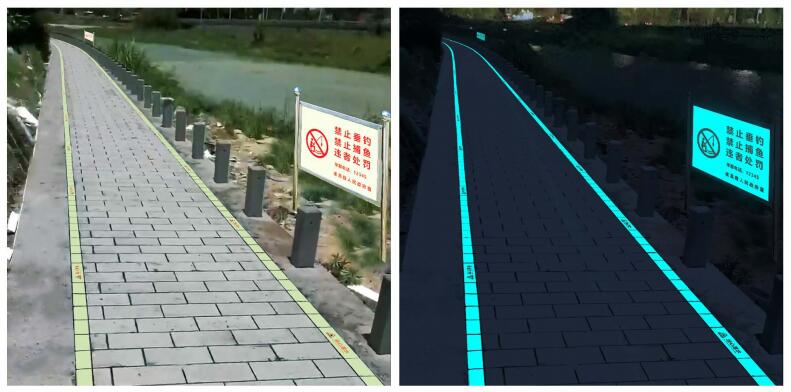
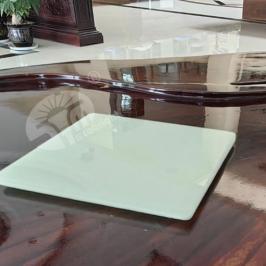
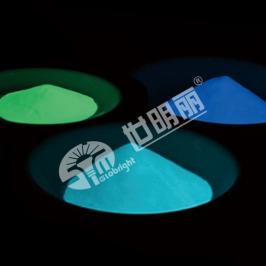
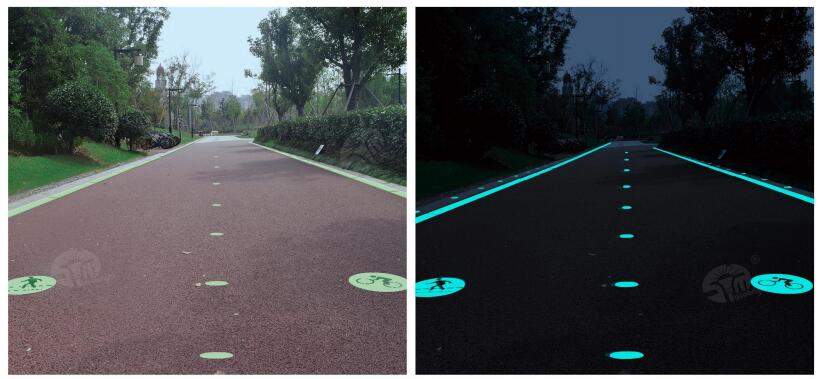
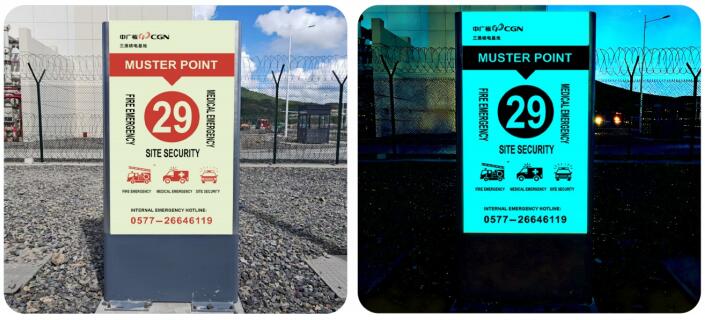
Manufactured via high-temperature sintering above 1000°C, inorganic self-luminous fire warning signboards are the compliance solution for highest-grade fire scenarios, with all performance metrics meeting the most stringent fire protection requirements.
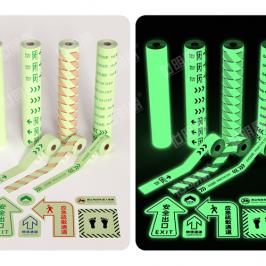
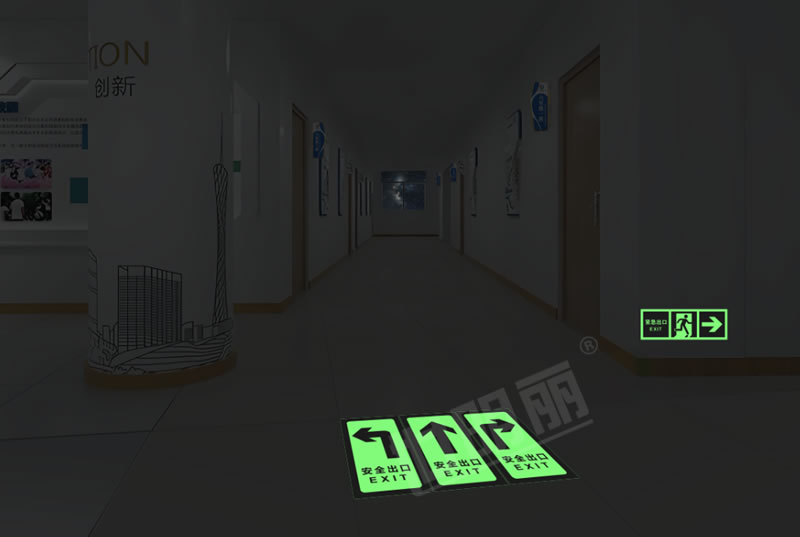
Developed specifically for indoor fire scenarios, organic self-luminous roll materials balance flame retardant compliance and installation convenience, making them the ideal choice for densely occupied spaces and fire safety upgrades of existing buildings.
Combining fire code requirements and spatial characteristics across different scenarios, the dual-material combination builds a fully compliant fire warning sign system:
Q: What flame retardant class is required for indoor fire warning signs? A: Indoor fire warning signs must meet at minimum Class B1 flame-retardant standard per national fire codes. They must self-extinguish after flame removal and produce no molten drips that could spread fire.
Q: Are self-luminous fire signs code compliant? A: Yes — when manufactured to specified standards. Inorganic self-luminous signs meet non-combustible requirements for high-risk sites, and organic self-luminous roll signs meet Class B1 flame-retardant standards for indoor spaces. Both provide power-free emergency visibility required by fire safety codes.
Q: What is the best material for outdoor fire warning signs? A: Inorganic self-luminous materials are the best choice for outdoor fire signs. They are non-combustible, weather-resistant, corrosion-resistant and deliver passive luminescence during power outages, with a 30+ year outdoor service life.
Q: Can fire warning signs be installed without modifying building wiring? A: Yes. Passive self-luminous fire signs (both inorganic and organic roll types) require no power supply or wiring. They charge via ambient light and glow autonomously in the dark, making them ideal for retrofits where wiring modifications are impractical.
Code-compliant material selection is the foundational prerequisite for fire warning sign safety. Globright inorganic self-luminous signboards and organic self-luminous roll signboards are engineered to meet fire code requirements for different scenarios respectively. Both deliver certified flame retardancy, reliable emergency performance and long-term durability, covering full-scenario fire warning needs across indoor/outdoor and high/low risk sites.
For project procurement, select inorganic self-luminous signs for outdoor and high-hazard locations (30+ year service life), and organic self-luminous roll materials for indoor spaces and existing building retrofits. Always verify official test reports and code compliance documentation before selection to ensure full alignment with local fire safety regulations.